
Balancing Productivity with Slow Living Principles: A Modern Approach
Productivity and slow living are not opposites. Here is a practical framework for working mindfully, protecting your time, and getting more done with less stress.


22 min read
What You Need to Know
Most productivity advice pushes in one direction: do more, do it faster, and track everything. Slow living pushes the other way. The conflict is less real than it sounds 閳?burnout is a productivity problem too, and the people who keep shipping for years rarely do it at maximum intensity. What they protect is their attention, their recovery, and the gap between what is urgent and what actually matters.
This article lays out how to combine the two: the slow living principles worth borrowing at work, the single-tasking and boundary habits that keep output high, and the small rituals 閳?morning focus blocks, real breaks, offline time 閳?that convert intention into a sustainable pace. If you want a concrete starting point, the slow living productivity tips later in this guide are the ones that show up first in most people’s weekly routines.
The Philosophy of Slow Living
Definition and Origins
Slow living is a lifestyle philosophy that champions a mindful and intentional approach to life. It encourages individuals to step back from the relentless pace of modern society, prioritizing quality over quantity in both work and leisure. The term “slow living” gained traction in the late 20th century as a response to the fast-paced, consumer-oriented culture that often leads to stress and burnout. The roots of this philosophy can be traced back to the Slow Food movement, which began in Italy in the 1980s as a way to counteract the rise of fast food and promote local, sustainable food practices.
Recent trends indicate that slow living is evolving into a broader movement that encompasses various aspects of life, including work, relationships, and self-care. According to a recent study by the Harvard Business Review, 69% of workers report feeling burnt out, and many are seeking ways to integrate slow living principles into their daily routines to enhance their well-being and productivity.
Core Principles
The core tenets of slow living revolve around several key principles:
- Mindfulness: Engaging fully in the present moment and cultivating awareness in daily activities.
- Simplicity: Reducing clutter閳ユ攤oth physical and mentalto focus on what truly matters.
- Sustainability: Making choices that are environmentally and socially responsible.
- Connection: Building meaningful relationships with others and fostering a sense of community.
- Quality Over Quantity: Valuing the depth of experiences over a multitude of surface-level engagements.
By embracing these principles, individuals can achieve a more balanced approach to productivity and personal fulfillment.
Examples of Slow Living Practices in Daily Routines
Incorporating slow living into daily life does not require drastic changes; rather, it involves small adjustments that promote mindfulness and intentionality. Here are some practical examples of slow living practices:
Mindful Morning Rituals: Instead of rushing through the morning routine, take time to enjoy a slow breakfast, meditate, or engage in gentle stretching. This sets a positive tone for the day.
Digital Detox: Allocate specific times to disconnect from electronic devices. Engaging in non-digital activities like reading, gardening, or spending time with loved ones allows for deeper connections and reduced stress.
Nature Walks: Spend time outdoors, appreciating the natural environment. Research shows that spending time in nature can reduce stress and enhance mood. A study published in the Journal of Environmental Psychology found that participants who walked in natural settings reported lower levels of anxiety.
Seasonal Cooking: Focus on preparing meals with seasonal ingredients, which not only supports local farmers but also encourages mindful eating practices. This aligns with the slow food movement and promotes sustainability.
Reflection Practices: Journaling at the end of the day can help individuals reflect on their experiences, feelings, and accomplishments, fostering a sense of gratitude and mindfulness.
Quality Time: Prioritize spending quality time with family and friends. Engaging in meaningful conversations and activities can enhance relationships and provide a sense of belonging.
Limit Multitasking: Focus on one task at a time to enhance productivity without stress. Studies indicate that multitasking can lead to decreased productivity and increased feelings of overwhelm.
By integrating these practices into daily life, individuals can begin to experience the benefits of balancing productivity with slow living principles.
Conclusion
The philosophy of slow living offers a refreshing alternative to the fast-paced demands of contemporary life. By embracing mindfulness, simplicity, sustainability, connection, and quality experiences, individuals can cultivate a lifestyle that enhances well-being and productivity. As the slow living movement gains momentum, it is becoming increasingly clear that a balanced approach to productivity can lead to a more fulfilling life.
For those interested in exploring this philosophy further, resources such as the Slow Living Guide and articles from lifestyle publications like Vogue offer valuable insights and inspiration.
Current Trends in Productivity
Remote Work and Flexibility
In recent years, remote work has transformed from a temporary measure during the pandemic to a lasting trend that many organizations now embrace. According to a survey conducted by FlexJobs in 2023, 65% of respondents reported that they preferred remote work over in-office settings, and companies are noticing a significant increase in productivity as a result. The flexibility that remote work provides allows employees to tailor their work environments to their personal preferences, which is a crucial aspect of balancing productivity with slow living principles.
Recent data supports the claim that flexible work arrangements lead to higher productivity levels. A study published in the Harvard Business Review found that organizations that adopted hybrid work models experienced a 20% increase in employee productivity. This shift reflects a growing understanding that productivity does not solely stem from hours spent in front of a computer but rather from the quality of work produced in an environment conducive to individual needs.
Notable examples of companies embracing this trend include:
- Salesforce: Salesforce introduced the “Ohana Culture,” encouraging employees to work from anywhere while providing tools and resources for remote collaboration.
- Twitter: Twitter has adopted a permanent remote work policy, allowing employees to choose where they work best, resulting in reported gains in creativity and productivity.
The combination of remote work and flexibility not only supports productivity but also aligns with slow living principles by allowing individuals to manage their time and work-life balance more effectively.
Mindfulness in the Workplace
As organizations seek to improve employee well-being and productivity, mindfulness practices have gained traction in workplace strategies. The incorporation of mindfulness is more than just a trend; it is becoming a fundamental component of effective work strategies. According to a study published by the American Psychological Association, mindfulness training in workplaces can lead to a 30% increase in productivity and a notable reduction in stress levels among employees.
Mindfulness practices, such as meditation, focused breathing, and even mindful walking, are being implemented by companies to foster a more engaged and focused workforce. For instance, Google has long been a pioneer in this area, offering courses on mindfulness and meditation to help employees manage stress and enhance focus. Their “Search Inside Yourself” program has been widely praised for its effectiveness in boosting emotional intelligence and productivity.
Here are some productivity without stress tips that organizations can adopt through mindfulness:
- Mindful Breaks: Encourage employees to take short breaks for mindful breathing or meditation, which can reset focus and enhance productivity.
- Mindfulness Training: Implement structured training programs that teach employees techniques to incorporate mindfulness into their daily routines.
- Quiet Spaces: Designate areas within the workplace for quiet reflection or meditation, allowing employees to recharge in a peaceful environment.
Companies like Aetna and General Mills have also seen positive results from implementing mindfulness initiatives. Aetna reported a 28% reduction in stress levels among employees who participated in mindfulness programs, leading to increased job satisfaction and productivity.
In conclusion, as organizations navigate the evolving landscape of work, the integration of remote work flexibility and mindfulness practices stands out as a powerful strategy for enhancing productivity. By focusing on balancing productivity with slow living principles, companies can create environments that not only boost output but also promote well-being and satisfaction among employees.
For further insights on the impact of remote work on productivity, refer to the Harvard Business Review’s findings and explore the benefits of mindfulness in the workplace as highlighted by the American Psychological Association.
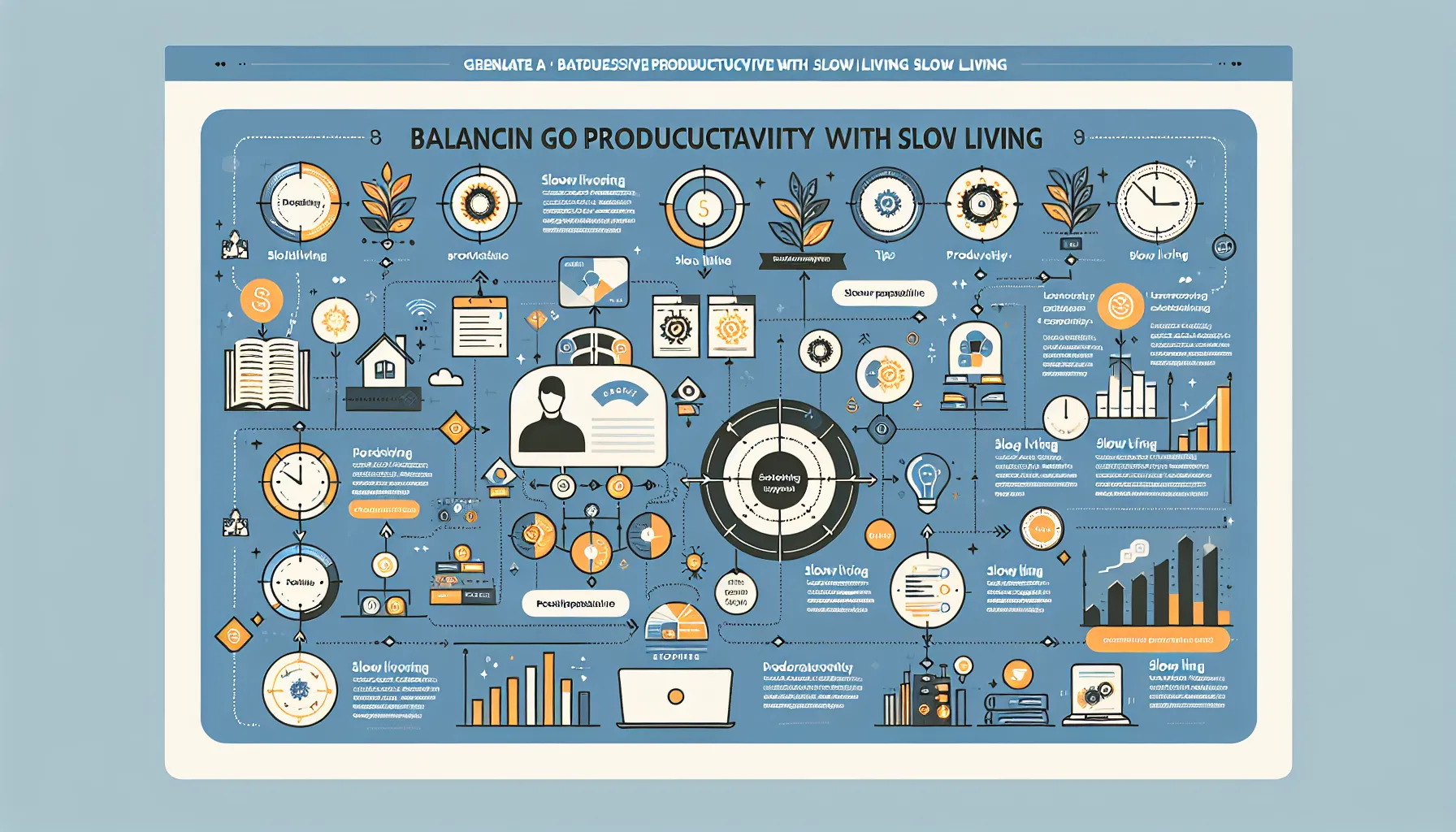
Slow Living Productivity Tips
Balancing productivity with slow living principles requires a shift in mindset and the adoption of effective strategies. Here, we explore essential tips for time management and prioritizing tasks, focusing on maintaining focus, setting realistic goals, and working mindfully.
Time Management
Effective time management is crucial for balancing productivity with slow living. Techniques that promote focus and efficiency without inducing stress are particularly beneficial. One such method is the Pomodoro Technique, which encourages working in short bursts followed by brief breaks. This approach not only helps maintain concentration but also aligns well with the slow living philosophy by allowing for restful intervals.
- Pomodoro Technique Steps:
- Choose a task you want to work on.
- Set a timer for 25 minutes (one Pomodoro).
- Work on the task until the timer rings.
- Take a 5-minute break.
- Repeat the process, taking a longer break (15-30 minutes) after completing four Pomodoros.
Research indicates that using the Pomodoro Technique can improve focus and productivity by up to 25% compared to traditional working methods, according to a study by the University of Illinois. This technique allows individuals to approach their tasks with a fresh mind after each break, reducing the risk of burnout (source: Harvard.edu).
Another effective time management strategy is time blocking, where you allocate specific blocks of time to different tasks or activities. This can help you visualize your day and ensure that you dedicate time to both productive tasks and relaxation.
Prioritizing Tasks
Setting realistic goals is essential for productivity without stress. When you prioritize tasks effectively, you can focus on what truly matters, thus avoiding overwhelm. Here are some strategies for effective task prioritization:
- Eisenhower Matrix:
- Urgent and Important: Tasks that need immediate attention.
- Important but Not Urgent: Tasks that are significant but can be scheduled later.
- Urgent but Not Important: Tasks that can be delegated.
- Neither Urgent nor Important: Tasks that can be eliminated.
This matrix helps you categorize tasks based on their urgency and importance, ensuring you focus on high-impact activities.
- SMART Goals:
- Specific: Clearly define what you want to achieve.
- Measurable: Ensure that your goal can be quantified.
- Achievable: Set realistic goals that are attainable.
- Relevant: Align your goals with your values and larger objectives.
- Time-bound: Set a deadline for your goals.
By establishing SMART goals, you can avoid setting yourself up for failure and reduce stress levels. According to the American Psychological Association, individuals who set clear and achievable goals are more likely to succeed and maintain motivation (source: APA.org).
Case Studies
To illustrate the effectiveness of these slow living productivity tips, consider the following case studies:
Anna, a Freelance Graphic Designer: Anna adopted the Pomodoro Technique to manage her workload. By breaking her work into 25-minute intervals, she found that her creativity flourished during those focused bursts. Anna reported a 30% increase in project completion rates within the first month of implementing this technique. She also noted that the structured breaks allowed her to recharge and maintain her passion for design.
Michael, a Corporate Manager: Michael struggled with overwhelming tasks and frequent burnout. After employing the Eisenhower Matrix to prioritize his daily responsibilities, he was able to delegate less critical tasks effectively. This shift not only improved his productivity but also allowed him to focus on strategic planning, leading to a 20% increase in team performance metrics over six months.
Jessica, a Content Writer: Jessica adopted time blocking to create a more structured writing schedule. By allocating specific hours for writing, research, and breaks, she was able to increase her output while feeling less stressed. Jessica reported that this approach helped her maintain a healthier work-life balance, making her more satisfied with her career.
Conclusion
Balancing productivity with slow living principles is achievable through mindful time management and prioritization of tasks. By implementing techniques such as the Pomodoro Technique and the Eisenhower Matrix, individuals can enhance their productivity while reducing stress. These methods not only promote efficiency but also encourage a more intentional approach to work and life, allowing for a fulfilling slow living experience.
For further insights on productivity and well-being, explore Bloomberg’s analysis on workplace efficiency and the Guardian’s exploration of slow living.
Working Mindfully for Enhanced Productivity
In today’s fast-paced world, finding ways to enhance productivity without succumbing to stress is a challenge many face. Integrating slow living principles into your work routine can help achieve a harmonious balance. By working mindfully, individuals can improve their focus and productivity while also fostering a sense of calm. This section will explore mindfulness practices and how to create a mindful workspace that supports these principles.
Mindfulness Practices
Incorporating mindfulness into your daily routine can significantly enhance productivity. Mindfulness practices such as meditation, breathing exercises, and mindful breaks can help reduce stress and improve concentration. Here are some effective mindfulness techniques to consider:
Meditation: Taking just a few minutes each day to meditate can clear the mind and enhance focus. According to a study published in the journal Psychological Science, individuals who practiced meditation showed improved attention and cognitive flexibility.
Breathing Exercises: Simple breathing techniques can be done anywhere and at any time. For example, the 4-7-8 technique encourages individuals to inhale for 4 seconds, hold the breath for 7 seconds, and exhale slowly for 8 seconds. This practice can activate the bodys relaxation response, lowering stress levels.
Mindful Breaks: Rather than scrolling through social media during breaks, consider engaging in activities that promote awareness, such as a short walk in nature or stretching exercises. Research from Stanford University found that walking can enhance creativity, indicating that mindful breaks can foster productivity.
Journaling: Writing down thoughts, feelings, and goals can help clarify your mind and prioritize tasks. A study published in the journal Psychological Bulletin found that expressive writing can reduce stress and improve overall well-being.
Implementing these practices can lead to a significant improvement in productivity without the accompanying stress. By prioritizing mental well-being, you can create a more efficient work environment.
Creating a Mindful Workspace
The physical environment in which you work can greatly influence your productivity levels. Designing a workspace that encourages calm and focus is essential for working mindfully. Here are key elements to consider:
Natural Light: Exposure to natural light has been shown to improve mood and energy levels. A study from the University of Illinois found that natural light can enhance productivity by up to 15%. Consider positioning your desk near a window or using daylight-mimicking bulbs if natural light is limited.
Ergonomic Furniture: Comfortable, supportive furniture can reduce physical strain and distractions. Invest in an ergonomic chair and desk that promote good posture. Research from the University of California indicates that ergonomic workspaces can lead to a 17% increase in productivity.
Greenery and Decor: Incorporating plants into your workspace can enhance air quality and create a calming atmosphere. A study from the University of Exeter found that plants can increase productivity by 15% and improve concentration.
Minimalist Design: A clutter-free workspace can help reduce distractions and promote focus. Consider using organizers to keep your workspace tidy and only display items that inspire you.
Technology Management: Limit digital distractions by using apps that block distracting websites during work hours or setting specific times to check emails. Research from the University of California revealed that multitasking can reduce productivity by up to 40%, emphasizing the importance of focused work periods.
Examples of Mindful Workspace Setups
Modern offices are increasingly adopting mindful workspace designs. Here are some examples of effective setups that foster calm and concentration:
Google’s Office Spaces: Googles offices feature glass walls, open spaces, and various areas for relaxation and meditation, encouraging a balanced work environment.
Microsoft’s Ergonomic Workstations: Microsoft has implemented ergonomic workstations with adjustable desks and integrated technology to promote comfort and reduce strain.
Airbnb’s Mindful Meeting Rooms: Airbnb has designed meeting spaces with soothing colors, plants, and natural light, creating an environment conducive to focused discussions and creative brainstorming.
WeWork’s Collaborative Spaces: WeWork locations often incorporate communal areas with comfortable seating, plants, and natural light, encouraging collaboration while maintaining a sense of calm.
By adopting these principles of mindfulness and creating a supportive workspace, individuals can achieve a balance between productivity and slow living. The emphasis on working mindfully not only enhances performance but also contributes to overall well-being.
Incorporating these strategies into your daily routine can lead to a profound transformation in how you work. By prioritizing mindfulness, you can cultivate productivity without stress, aligning perfectly with the slow living ethos. For more insights on mindfulness in the workplace, check out recent findings from Harvard University and explore the benefits highlighted by Mindful.org.
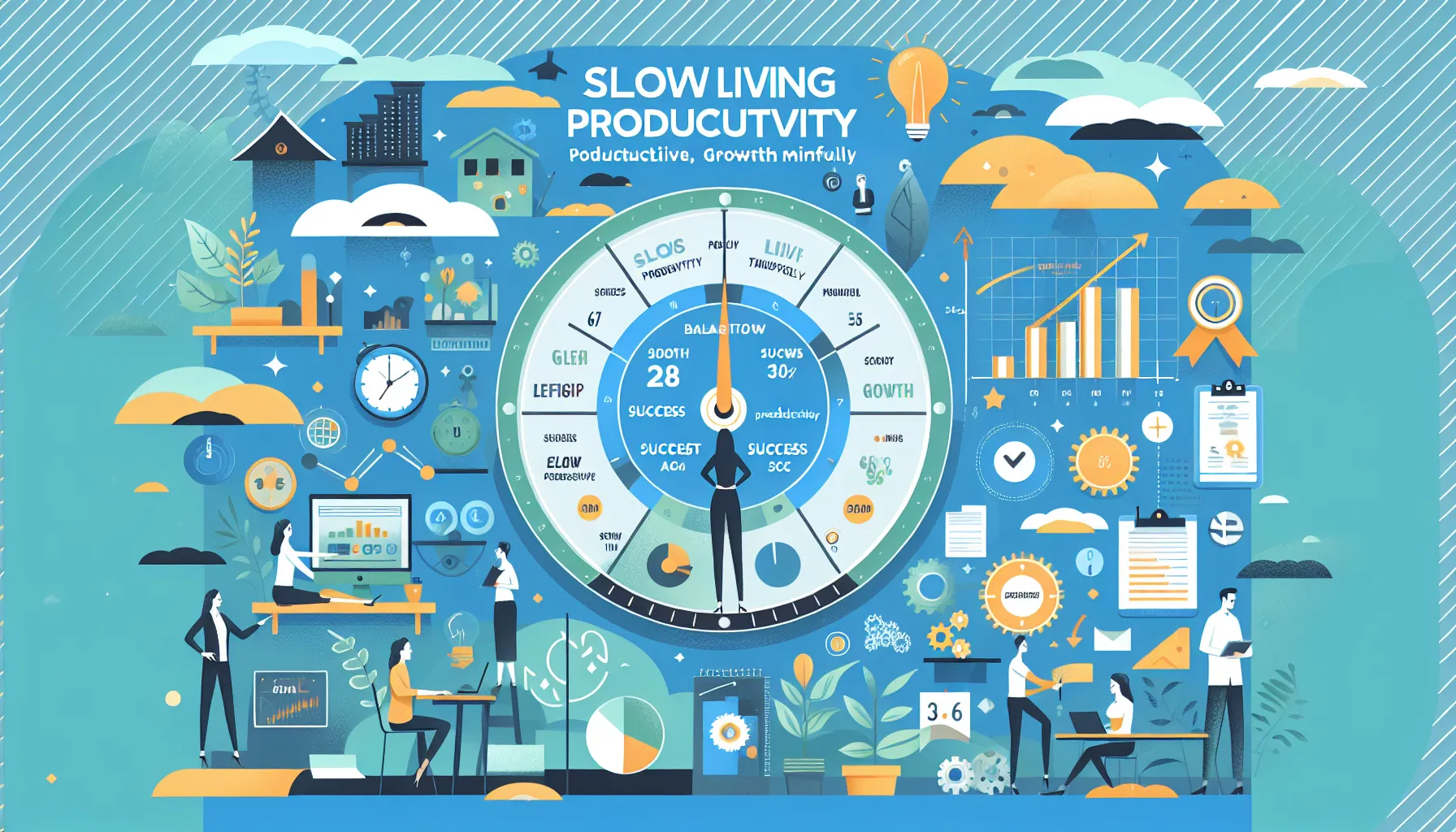
Productivity Without Stress: Achieving Balance
Balancing productivity with the principles of slow living can seem challenging, especially when stress threatens to overwhelm your workflow. However, by recognizing stress triggers and implementing regular breaks, you can enhance your productivity without succumbing to stress. This section explores effective strategies to help you work mindfully, ensuring that you achieve your goals while maintaining your well-being.
Recognizing Stress Triggers
Understanding what causes stress in your work life is crucial for maintaining a balanced workflow. Stress triggers can vary from person to person, but common factors include:
- Overcommitment: Taking on too many tasks or projects can lead to feeling overwhelmed and stressed. It’s essential to evaluate your current commitments and learn to say no when necessary.
- Unrealistic Deadlines: Setting unattainable deadlines can create unnecessary pressure. Aim to establish realistic timelines that account for potential obstacles.
- Distractions: Frequent interruptions from notifications, emails, or coworkers can disrupt your focus. Identifying these distractions and mitigating them can significantly enhance your productivity.
- Perfectionism: Striving for perfection in every task can lead to burnout. Recognize that it’s acceptable to produce good work rather than perfect work.
Research from the American Psychological Association highlights that stress can negatively impact both mental and physical health. A study revealed that chronic stress can lead to issues such as anxiety, depression, and cardiovascular problems. Thus, recognizing and addressing stress triggers is essential for fostering a healthier work environment.
Implementing Breaks
Regular breaks are vital for maintaining sustained productivity and mental clarity. According to a study published in the Journal of Applied Psychology, taking short breaks during work can lead to increased focus, creativity, and overall job satisfaction. Here are some effective strategies for implementing breaks:
The Pomodoro Technique: This time management method involves working for 25 minutes and then taking a 5-minute break. After completing four cycles, take a longer break of 15-30 minutes. This technique not only boosts productivity but also helps to combat fatigue.
Mindful Moments: Use breaks to engage in mindfulness exercises, such as deep breathing or meditation. A study by Harvard University found that mindfulness practices can reduce stress and enhance concentration.
Physical Activity: Incorporating movement into your breaks, such as stretching or a brisk walk, can re-energize you. Research from the Mayo Clinic indicates that even short bursts of physical activity can improve mood and focus.
Digital Detox: During breaks, step away from screens to give your eyes a rest. Engaging in non-digital activities like reading or journaling can help clear your mind.
Hydration and Nutrition: Use break time to hydrate and nourish your body. Proper nutrition can enhance cognitive function and reduce feelings of fatigue.
The impact of breaks on productivity is significant. A study by DeskTime, a productivity tracking app, found that the most productive employees take a 17-minute break after 52 minutes of work. This balance allows for sustained focus and energy throughout the day.
Conclusion
Achieving a balance between productivity and slow living is possible by recognizing stress triggers and implementing regular breaks. By working mindfully and prioritizing your well-being, you can enhance productivity without experiencing stress. Embrace these slow living productivity tips to create a sustainable work routine that supports both your professional and personal life.
For further insights on managing stress and enhancing productivity, consider reading the American Psychological Association’s resources on stress management and exploring Harvard’s research on mindfulness. By integrating these practices into your daily routine, you can cultivate a healthier approach to work and life.
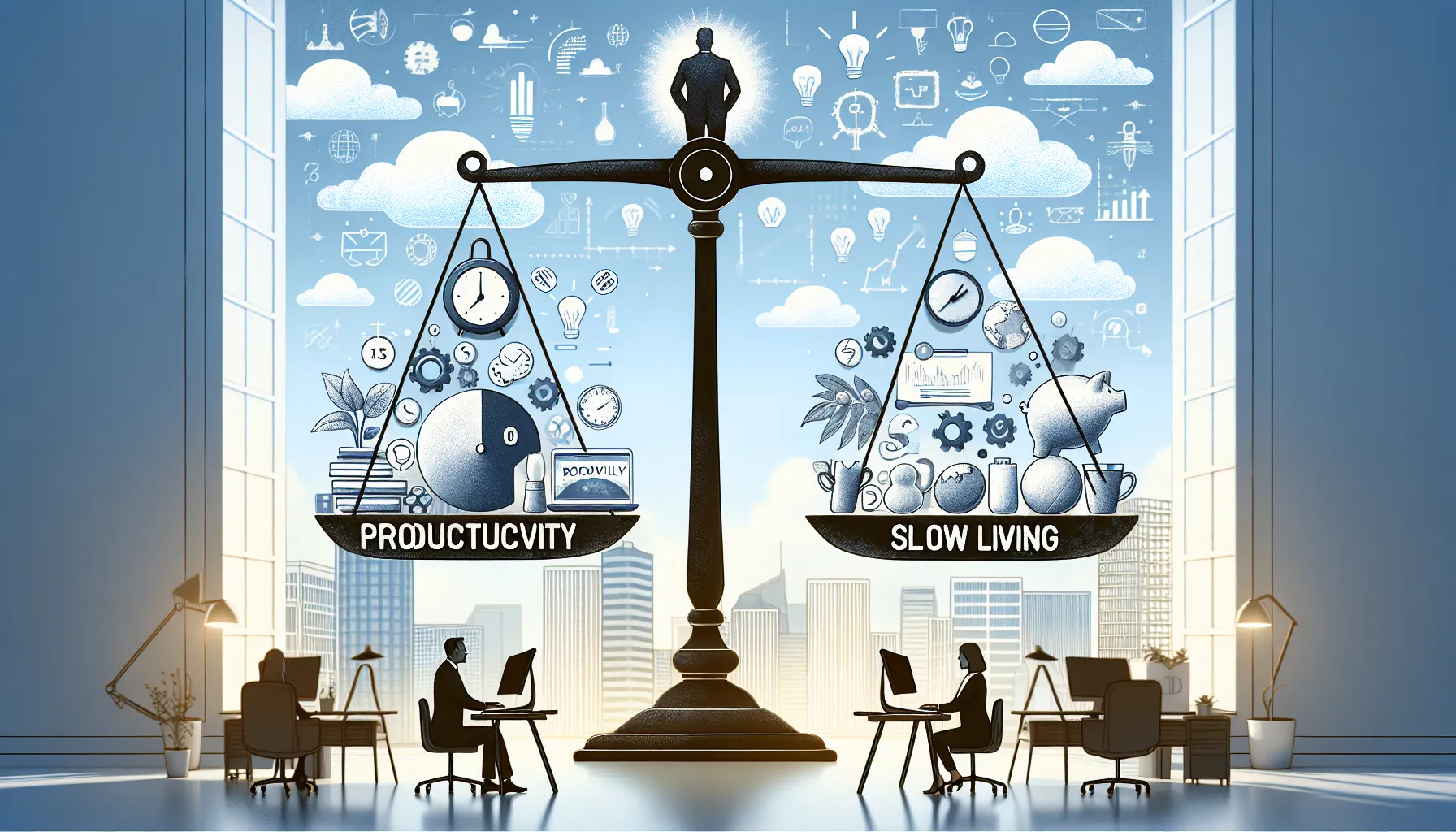
Key Takeaways
In summary, the integration of slow living principles into our daily routines can significantly enhance overall productivity. Currently, many individuals and organizations are recognizing the importance of mental well-being as a driving factor in achieving sustainable productivity. By embracing a slower pace, we allow ourselves the opportunity to focus on quality over quantity, fostering a more thoughtful approach to both work and personal life.
- Action Item: Start integrating slow living principles into your daily work habits. This could involve setting aside specific times for deep work, reducing multitasking, or implementing regular breaks to recharge. Research by the Harvard Business Review highlights the effectiveness of these strategies in boosting focus and creativity.
- Future Outlook: The growing recognition of mental well-being in productivity strategies is expected to continue shaping workplace cultures. According to insights from Forbes, businesses are increasingly prioritizing employee mental health, resulting in a more holistic approach to productivity that values balance and well-being.
At present, it is essential to foster an environment where slow living principles can thrive alongside productivity. This not only enhances individual performance but also contributes to a healthier organizational culture. By prioritizing well-being, we can create a sustainable model that benefits both employees and employers alike.
As you consider how to balance productivity with slow living, reflect on your current habits and identify areas where you can implement these principles. Perhaps its time to reevaluate your daily schedule, reduce distractions, or engage in mindfulness practices. The shift towards a more balanced lifestyle is not just a personal journey but also a collective movement towards a more conscious way of working and living.
In conclusion, the fusion of productivity with slow living principles offers a promising pathway for individuals and organizations alike. As we move forward, lets embrace these principles to enhance our productivity while nurturing our mental well-being. Take action today by exploring resources that can help you on this journey, and join the growing community advocating for a more mindful approach to work and life.
Frequently Asked Questions
What are the benefits of slow living?
Slow living promotes mindfulness, allowing individuals to savor life’s moments and reduce stress. Benefits include improved mental clarity, enhanced creativity, and deeper connections with others. By prioritizing quality over quantity, one can foster a more balanced lifestyle, leading to better physical health and emotional well-being. Additionally, embracing slow living encourages sustainable practices, which positively impact the environment. Overall, the principles of slow living help cultivate a more fulfilling and purposeful life.
How can I incorporate slow living into a busy schedule?
To incorporate slow living into a busy schedule, start by carving out small moments for mindfulness. Prioritize daily rituals, such as sipping tea slowly or taking short walks. Set boundaries around work hours to ensure personal time. Practice gratitude by reflecting on daily highlights. Consider simplifying tasks by focusing on what truly matters and delegating when possible. Remember, slow living isnt about completely pausing life; its about finding joy and presence amid the busyness.
Can productivity and slow living coexist?
Yes, productivity and slow living can coexist harmoniously. By redefining productivity to focus on quality and intention, individuals can achieve meaningful outcomes without the overwhelm. Slow living encourages a more thoughtful approach to tasks, allowing for creativity and innovation to flourish. When you take the time to slow down, you can prioritize essential tasks, leading to better results. Embracing this balance fosters a sustainable work ethic that values well-being alongside achievement.
What are some practical tips for practicing slow living?
Practical tips for practicing slow living include decluttering your space to create a calming environment, setting aside time for hobbies, and embracing nature through outdoor activities. Limit screen time to enhance presence and connection with loved ones. Cultivate patience by learning to enjoy the process rather than rushing to finish tasks. Additionally, practice mindful eating by savoring each bite, which can transform mealtime into a pleasurable experience rather than a hurried task.
How does slow living impact mental health?
Slow living positively impacts mental health by reducing stress and anxiety. By prioritizing mindfulness, individuals can cultivate a sense of peace and clarity, allowing for better emotional regulation. Embracing a slower pace encourages reflection and self-awareness, which are crucial for managing mental health challenges. Additionally, fostering deeper connections through meaningful interactions enhances social support, further contributing to overall well-being. Ultimately, slow living promotes a healthier mindset and a more balanced emotional state.
Can slow living help with work-life balance?
Slow living can significantly enhance work-life balance by encouraging individuals to prioritize personal time and well-being. By adopting a slower mindset, one can evaluate commitments and eliminate unnecessary stressors. This approach fosters healthier boundaries between work and personal life, allowing for more time spent with family and engaging in fulfilling activities. Ultimately, slow living promotes a more harmonious existence, where work serves as a part of life rather than its entirety, leading to greater satisfaction.
How can I help my family embrace slow living?
To help your family embrace slow living, start by creating a shared understanding of its principles. Introduce family rituals, such as game nights or nature walks, that encourage quality time together. Promote technology-free zones during meals and encourage mindful conversations. Involve everyone in simplifying household tasks, making them more enjoyable. Lastly, model slow living behaviors yourself, demonstrating the benefits of mindfulness and presence. Together, you can cultivate a more connected family dynamic.