
Exploring the Benefits of Nature Therapy for Mental Well-Being
Nature therapy, translated from buzzword into practice: what counts as a real dose of the outdoors, and the mental health effects the evidence supports.
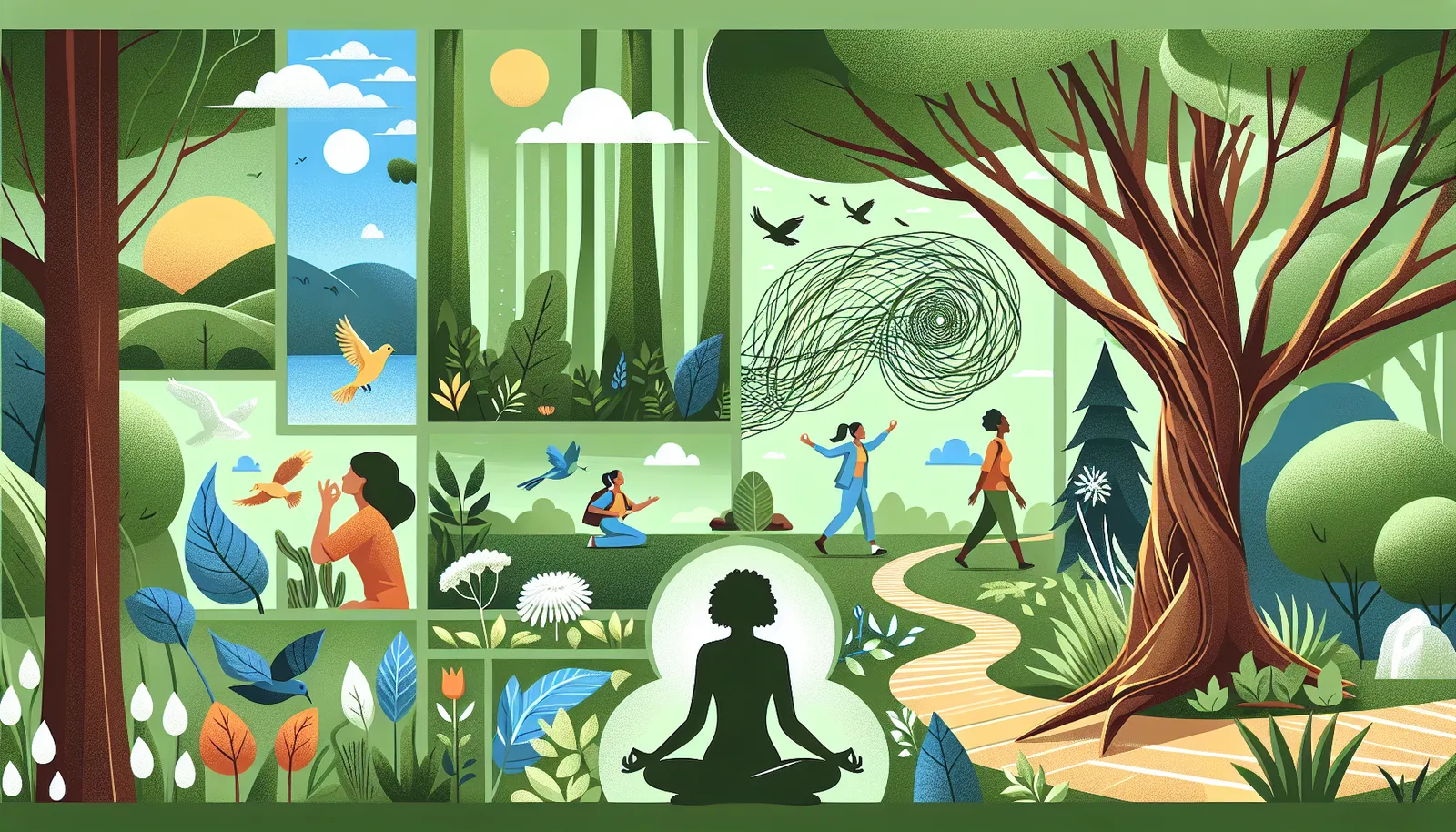

23 min read
Overview
Nature therapy sounds softer than it is. The research behind it is unusually consistent: time spent in green or blue space lowers cortisol, improves mood, and sharpens attention 閳?often in doses as short as twenty minutes. The interesting question is not whether nature helps, but how to get a reliable dose of it inside a life that is mostly lived indoors.
This article covers what actually counts as nature therapy (from formal forest bathing to a lunch walk in a city park), the specific mental health outcomes the evidence supports, and how to design a weekly habit that fits your environment. You will also find notes on where nature therapy pairs well with other mental health and nature practices, and where it doesn’t replace professional care.
Understanding Nature Therapy
Definition of Nature Therapy
Nature therapy, often referred to as ecotherapy or outdoor therapy, encompasses a range of practices that aim to connect individuals with the natural environment to promote mental well-being. This therapeutic approach is grounded in the belief that being in nature can have profound effects on emotional health, alleviating symptoms of anxiety, depression, and stress.
Nature therapy can take various forms, including:
- Forest Bathing (Shinrin-yoku): Originating in Japan, this practice involves immersing oneself in a forest environment to enhance relaxation and reduce stress.
- Nature Walks: Guided or self-directed walks in natural settings can foster mindfulness and connection to the surroundings.
- Gardening Therapy: Engaging in gardening activities has shown to improve mood and provide a sense of accomplishment.
- Outdoor Mindfulness Practices: Activities such as yoga or meditation conducted in natural environments can heighten awareness and promote relaxation.
Research indicates that these practices can significantly enhance mental health and nature connections, leading to increased overall wellness.
Historical Context
Historically, nature has been revered for its healing properties across various cultures. Ancient civilizations recognized the importance of nature for health and wellness, often integrating natural remedies and outdoor activities into their healing practices.
For instance:
- Indigenous Cultures: Many indigenous peoples have long practiced nature-based healing, relying on the land for both physical sustenance and spiritual well-being.
- European Romanticism: In the 18th and 19th centuries, the Romantic movement emphasized the beauty of nature and its restorative powers, influencing the development of outdoor therapy practices.
The modern concept of nature therapy has gained traction in recent years, supported by an increase in scientific research highlighting its benefits. A study published in the journal Environmental Health Perspectives found that spending time in natural environments can lower blood pressure, reduce stress hormones, and enhance feelings of well-being (source: Environmental Health Perspectives).
Nature Therapy Benefits
The benefits of nature therapy for mental health are well-documented, with numerous studies revealing the positive impact of nature on emotional well-being. Some notable findings include:
- Reduction of Stress: A 2022 study published in the International Journal of Environmental Research and Public Health indicated that participants who engaged in nature therapy reported a significant decrease in stress levels compared to those who remained indoors (source: IJERPH).
- Improved Mood: Research demonstrates that spending time in green spaces can enhance mood and reduce feelings of anxiety and depression. A meta-analysis in 2021 found that natural environments positively influenced mood states across diverse populations (source: Nature.com).
- Enhanced Cognitive Function: Nature therapy has been linked to improved attention spans and cognitive function. A study published in Psychological Science showed that people who took walks in natural settings performed better on memory tests than those who walked in urban environments (source: Psychological Science).
Case Studies and Current Trends
Recent trends in nature therapy have seen a surge in interest, particularly following the COVID-19 pandemic, which highlighted the importance of mental health and the benefits of outdoor activities. Some notable case studies include:
- Forest Bathing Programs in Urban Areas:
- Cities like New York and San Francisco have begun offering guided forest bathing sessions to residents, aiming to promote mental health and community well-being.
- Participants in these programs reported reduced stress and increased feelings of joy and relaxation.
- Therapeutic Gardening Initiatives:
- Community gardens have emerged as therapeutic spaces, particularly for individuals dealing with mental health challenges. Programs in cities like Toronto have demonstrated the positive effects of gardening on mood and social connection.
- Nature-Based Rehabilitation Programs:
- Rehabilitation centers are incorporating nature therapy into treatment plans for individuals recovering from substance abuse and mental health issues. These programs emphasize the healing power of nature to support recovery processes.
Overall, the integration of nature therapy into mental health practices reflects a growing recognition of the relationship between mental health and nature. As research continues to unveil the extensive benefits of outdoor therapy, more individuals are turning to nature for wellness.
In conclusion, nature therapy is not just a trend but a vital component of holistic mental health strategies. With its rich historical context and significant evidence supporting its benefits, embracing nature can provide a pathway to improved mental well-being in a fast-paced, urbanized world.
For more insights on the benefits of nature therapy, you can explore resources from the Mayo Clinic and Harvard Health Publishing.
Nature Therapy Benefits for Mental Health
Nature therapy has emerged as a powerful tool in promoting mental well-being. By harnessing the restorative qualities of the natural environment, individuals can experience significant improvements in their mental health. This section explores two critical aspects of nature therapy benefits: the reduction of stress and anxiety, and the improvement in mood.
Reduction of Stress and Anxiety
Research indicates that exposure to nature significantly lowers cortisol levels, the hormone associated with stress. A study published in the Journal of Environmental Psychology highlights that spending just 20 minutes in a natural setting can lead to a noticeable decrease in stress levels. Participants who engaged in nature therapy reported feeling less anxious and more relaxed following their experiences outdoors.
- Notable findings from various studies include:
- A systematic review in Health & Place found that individuals who spent time in green spaces showed a 40% reduction in stress and anxiety levels.
- A 2021 study from Stanford University revealed that participants who walked in nature experienced lower levels of ruminationa key factor contributing to anxietycompared to those who walked in urban settings.
Furthermore, outdoor therapy effects extend beyond immediate relaxation. Engaging with nature has long-lasting impacts on mental health, promoting a sense of peace and well-being that persists even after the therapy session ends.
Improvement in Mood
Nature therapy has been shown to alleviate symptoms of depression and anxiety. According to a meta-analysis published in the Journal of Affective Disorders, individuals who participated in nature-based interventions experienced a significant reduction in depressive symptoms. These findings underscore the therapeutic potential of nature for wellness.
- Key statistics related to mood improvement through nature therapy include:
- A 2020 study conducted by the University of Queensland found that individuals participating in nature therapy reported a 60% improvement in mood and emotional well-being.
- A survey by the National Park Service indicated that over 80% of respondents felt a notable uplift in their mood after spending time in parks and natural areas.
The mechanisms behind these improvements can be attributed to several factors, including:
- Physical Activity: Engaging in outdoor activities often involves physical exercise, which is known to release endorphins that enhance mood.
- Mindfulness: Nature therapy encourages mindfulness, allowing individuals to focus on their surroundings and escape the pressures of daily life.
- Social Connection: Many nature therapy programs promote group activities, fostering social bonds that can further enhance emotional well-being.
Current Trends in Nature Therapy
As awareness of mental health issues continues to grow, nature therapy is gaining traction as an effective complementary approach to traditional therapeutic methods. Many mental health professionals now incorporate nature-based interventions into their practices. For example, organizations like the Children’s Forest in California have been pioneering programs that combine outdoor activities with therapeutic support for children experiencing emotional difficulties.
Moreover, technology is playing a role in promoting nature therapy benefits. Virtual reality experiences that simulate natural environments are being used as an adjunct treatment for individuals unable to access outdoor spaces, especially in urban settings. This innovation reflects a growing trend where mental health and nature intersect, creating new avenues for wellness.
In conclusion, the benefits of nature therapy for mental health are well-supported by research and practical applications. By reducing stress and anxiety while improving mood, nature therapy serves as a valuable tool in promoting overall mental well-being. As we continue to explore the relationship between mental health and nature, it is clear that spending time outdoors can yield profound effects on our emotional states.
For further reading on nature’s impact on mental health, refer to studies published by the National Institute of Health and the American Psychological Association.
Current Trends in Nature Therapy
The integration of nature therapy into mental health practices is gaining momentum as more therapists recognize the profound nature therapy benefits for mental well-being. This section explores the current trends in nature therapy, including its incorporation into traditional mental health practices and the rise of community-based initiatives focusing on outdoor activities.
Integration into Mental Health Practices
Many mental health professionals are now incorporating nature therapy into their treatment plans. This therapeutic approach emphasizes the healing properties of the natural environment, promoting mental health through connectedness with nature. Some notable trends include:
Nature Walks: Mental health professionals are increasingly leading guided nature walks as a therapeutic model. Studies show that these walks can significantly reduce symptoms of anxiety and depression. A 2023 meta-analysis found that participating in structured outdoor therapy sessions resulted in a 40% reduction in anxiety levels among participants (source: Nature.com).
Ecotherapy: This form of therapy encourages clients to engage with natural environments actively. Therapists are now customizing ecotherapy plans that may involve activities like gardening, hiking, or simply spending quiet time in nature, which has been shown to foster emotional resilience.
Nature-Based Mindfulness: Combining mindfulness practices with outdoor settings is becoming popular. A recent study highlighted that individuals practicing mindfulness in natural environments reported higher levels of satisfaction and emotional well-being compared to those practicing indoors (source: Harvard.edu).
Community-Based Initiatives
In addition to individual therapy, community programs emphasizing outdoor activities are becoming increasingly popular. These initiatives aim to promote mental health and wellness through collective experiences in nature. Some key aspects include:
Outdoor Therapy Groups: Many communities are forming groups that gather for activities like hiking, birdwatching, or outdoor yoga. These groups not only provide therapeutic benefits but also foster social connections, which are crucial for mental health. According to the American Psychological Association, social support is linked to improved emotional well-being (source: APA.org).
Nature-Based Workshops: Workshops centered around nature, such as art classes in parks or environmental education programs, are on the rise. These workshops engage participants in creative and educational activities while immersing them in nature, reinforcing the connection between mental health and nature for wellness.
Local Initiatives: Various organizations are launching programs that focus on environmental stewardship, combining community service with outdoor activities. For example:
The “Park Prescription” program encourages healthcare providers to prescribe outdoor activities to patients as part of their treatment.
Initiatives like “Community Gardening” involve participants in cultivating gardens, which has been shown to improve mood and reduce stress levels.
Conclusion
The integration of nature therapy into traditional mental health practices and the emergence of community-based initiatives signify a transformative shift in how mental health is approached. The outdoor therapy effects are becoming increasingly recognized as vital components of holistic mental wellness. As therapists and communities embrace these trends, the potential for improved mental health outcomes through nature therapy continues to grow.
In conclusion, the evidence supporting nature therapy benefits is compelling, and as more people take advantage of these approaches, we may see a significant positive impact on mental health at both individual and community levels. For further reading on the efficacy of nature therapy, check out the National Institute of Health and Psychology Today for additional insights and resources.
Latest Data and Insights
Statistics on Nature Exposure
Recent surveys reveal a significant rise in public interest in nature therapy and outdoor activities, emphasizing the growing recognition of nature’s role in mental health and wellness. According to a study published by the National Park Service, about 85% of Americans believe that spending time in nature can enhance their mental well-being. This figure has risen notably since the onset of the COVID-19 pandemic, which has shifted many people’s perspectives on mental health and the importance of outdoor spaces.
- A survey conducted by the American Psychological Association (APA) found that 68% of respondents reported feeling less stressed after spending time outdoors.
- Data from the Outdoor Industry Association indicates that participation in outdoor activities, such as hiking and camping, increased by 25% during the pandemic as people sought alternatives to indoor environments.
These statistics underscore the nature therapy benefits that individuals are discovering as they reconnect with the outdoors.
Impact of COVID-19 on Outdoor Activities
The COVID-19 pandemic has had a profound effect on how individuals engage with outdoor spaces. Lockdowns and social distancing measures led many to seek solace in nature, resulting in a significant increase in outdoor activities. A report from the National Recreation and Park Association highlighted that:
- 74% of Americans indicated that access to parks and green spaces was essential for their mental health during the pandemic.
- A study by the University of Exeter revealed that individuals who spent at least two hours in nature each week reported significantly higher levels of well-being. This study emphasized that even short bursts of time in green spaces can yield positive outdoor therapy effects.
The pandemic illuminated the crucial role of accessible green spaces in promoting mental health. Many cities have since prioritized the development and maintenance of parks, trails, and recreational areas to ensure that residents have the opportunity to engage with nature.
Notable case studies include:
- The Urban Park Movement: Cities like New York and San Francisco have invested in enhancing urban parks, making them more accessible and inviting for residents. This shift has been linked to increased community engagement and improved mental health outcomes among residents.
- Nature-Based Therapy Initiatives: Programs like “Nature Rx” encourage healthcare providers to prescribe time spent outdoors as a form of therapy, emphasizing its benefits for mental health.
As the world gradually emerges from the pandemic, the emphasis on nature for wellness remains strong. Emerging evidence suggests that the benefits of nature therapy are not just a temporary response to the crisis but a long-term shift in how we view mental health and well-being.
Conclusion
The latest data clearly indicates that nature therapy is gaining traction as a viable option for improving mental health. The response to COVID-19 has catalyzed a deeper appreciation for the outdoors and its healing properties. As individuals continue to seek nature therapy benefits, it is essential for communities and policymakers to prioritize access to green spaces.
To further explore the impact of green spaces on mental health, consider the following resources:
- The American Psychological Association provides valuable insights into the psychological benefits of nature exposure.
- Research from Nature.com discusses the correlation between outdoor activities and mental well-being.
- A report from NPR highlights the importance of parks and recreational spaces during the pandemic.
This growing body of evidence supports the idea that engaging with nature is not merely beneficial but essential for mental well-being, especially in today’s fast-paced world. As we look to the future, integrating nature into our daily lives may become a cornerstone of holistic mental health strategies.
Future Projections for Nature Therapy
As the benefits of nature therapy gain recognition, the future of this therapeutic approach is bright. Emerging technologies and increased public awareness are paving the way for innovative solutions that harness the healing power of nature. This section explores two key elements shaping the future of nature therapy: technological innovations and increased awareness and accessibility.
Technological Innovations
The integration of technology in nature therapy is transforming how individuals experience the benefits of natural environments. Virtual reality (VR) is at the forefront of these innovations, providing immersive experiences that simulate the calming effects of nature. Several studies highlight the efficacy of VR in promoting mental well-being:
- A 2023 study published in the journal Frontiers in Psychology found that participants using VR nature therapy reported a significant reduction in stress and anxiety levels compared to those who did not engage with the technology.
- Research from Stanford University indicates that virtual nature experiences can stimulate the same positive emotional responses as real-life interactions with natural settings.
Specifically, here are some developments in this area:
Virtual Reality Nature Experiences: Companies like Oculus and immersive therapy platforms are developing VR applications that allow users to engage with stunning natural landscapesfrom serene beaches to tranquil forests. These experiences can serve as a supplement to traditional therapy, offering participants a chance to relax and reset without leaving their homes.
Wearable Technology: Devices that monitor and analyze physiological responses to nature exposure are becoming more common. For example, wearables that track heart rate variability and stress levels can provide real-time feedback on how nature experiences affect mental health.
Mobile Apps: Applications designed to encourage outdoor activities are flourishing. Apps like “Rainforest” and “NatureDose” promote mindfulness and well-being through guided nature walks, helping users connect with their surroundings even in urban settings.
Increased Awareness and Accessibility
There is a growing recognition of the need for mental health resources that utilize nature, leading to increased accessibility of nature therapy programs. This trend reflects a broader societal shift towards prioritizing mental health and wellness. Key factors include:
Community Programs: Numerous organizations are establishing nature therapy programs that are affordable and accessible to diverse populations. For instance, the National Park Service in the United States has initiated programs like “Every Kid in a Park,” which provides free access to national parks for fourth-grade students and their families. Such initiatives encourage families to explore nature together, fostering mental well-being.
Educational Institutions: Schools and universities are increasingly incorporating nature therapy into their health and wellness curricula. This includes outdoor classrooms and nature-based learning experiences that promote emotional resilience in students.
Corporate Wellness Initiatives: Many companies are recognizing the value of nature therapy for employee well-being. Businesses are beginning to offer outdoor therapy sessions as part of their employee wellness programs, leading to reduced stress levels and increased productivity. According to a report by the American Psychological Association, 94% of employees who participated in outdoor wellness activities reported feeling more engaged at work.
Conclusion
The future of nature therapy is promising, driven by technological advancements and a growing awareness of the importance of mental health and nature. As more individuals and organizations embrace the benefits of outdoor therapy, it is essential to continue advocating for accessible and innovative solutions that connect people with nature. By fostering these connections, we can collectively enhance mental well-being and promote a healthier society.
As we look ahead, the integration of technology into nature therapy and the expansion of awareness initiatives will likely play a crucial role in shaping how individuals access and benefit from these therapeutic practices. It is an exciting time for nature therapy, as both individuals and communities recognize its significance in promoting mental health and wellness.
For more insights into the intersection of technology and mental health, consider exploring The Verge’s technology section or recent trends in wellness strategies on Bloomberg. Additionally, you can read about how educational institutions are adapting to these changes in the field of mental health on NPR.
Key Takeaways
Nature therapy offers significant benefits for mental well-being, providing a refreshing alternative to traditional therapeutic methods. By immersing individuals in natural environments, this approach promotes relaxation, enhances mood, and fosters a sense of connection to the world around us. Practitioners and communities are increasingly embracing outdoor therapy, recognizing its efficacy in addressing a variety of mental health issues, from anxiety to depression. Nowadays, more mental health professionals are integrating nature therapy into their practices, paving the way for a holistic approach to mental wellness.
At present, the benefits of nature therapy are being validated through a growing body of research. Studies have shown that spending time in green spaces can lead to reduced stress levels, improved cognitive function, and enhanced emotional resilience. The emphasis on mindfulness and the therapeutic effects of the natural world have led to innovative programs that encourage individuals to engage with their surroundings. As we continue to explore these practices, its essential for individuals to seek out opportunities for nature therapy in their own lives. This could mean participating in guided outdoor sessions, joining local nature groups, or simply taking time each week to enjoy a park or natural landscape.
Looking to the future, emerging trends indicate a promising integration of nature therapy in mental health practices. Mental health organizations are beginning to recognize the importance of outdoor settings in treatment plans. For instance, the Journal of Environmental Psychology highlights the growing trend of eco-therapy and its positive impact on mental health. Furthermore, with the increasing push for sustainable practices and environmental awareness, nature therapy aligns perfectly with the broader movement towards ecological balance and personal well-being.
As we move forward, individuals and mental health practitioners alike should advocate for the inclusion of nature therapy in therapeutic frameworks. This can be achieved by promoting awareness of its benefits within communities and encouraging local health services to provide outdoor therapy options. For those interested in exploring this modality, resources like GoodTherapy’s guide on nature therapy provide valuable insights on how to get started. Additionally, engaging with community programs that focus on outdoor activities can foster connection and support mental health in a natural setting.
In conclusion, embracing nature therapy not only enhances individual mental well-being but also nurtures a collective consciousness towards mental health awareness. It is crucial for us to take actionable steps in our lives and communities to promote this beneficial approach. By doing so, we can create a more supportive and healthier society, one that values the profound connection between nature and mental well-being.
Frequently Asked Questions
What is nature therapy and how does it work?
Nature therapy, often referred to as ecotherapy, is a therapeutic practice that involves engaging with nature to improve mental well-being. It works by leveraging the calming effects of natural environments, which can reduce stress, anxiety, and depression. Activities can include hiking, gardening, or simply spending time in parks. The connection with nature helps to ground individuals, promoting mindfulness and emotional healing through sensory experiences and physical activity.
How can I incorporate nature therapy into my mental health routine?
Incorporating nature therapy into your mental health routine can be simple and enjoyable. Start by scheduling regular outdoor activities, such as walking in the park, hiking, or even gardening. Consider creating a nature journal to reflect on your experiences and feelings during these activities. Mindfulness practices, like meditation or deep breathing, can also be performed outdoors. Additionally, limit screen time and spend more time in natural settings to fully benefit from the therapeutic effects of nature.
What evidence supports the benefits of nature therapy for mental well-being?
Numerous studies support the benefits of nature therapy for mental well-being. Research indicates that spending time in natural environments can lower cortisol levels, reduce symptoms of anxiety and depression, and improve mood. Studies have shown that participants engaging in nature-based activities report higher levels of happiness and lower stress levels. Additionally, meta-analyses have found significant positive effects on mental health from outdoor therapy interventions, highlighting nature’s role in fostering emotional resilience and overall well-being.
Can nature therapy help with specific mental health issues?
Yes, nature therapy can be beneficial for various mental health issues, including anxiety, depression, and stress-related disorders. Engaging with nature has been shown to promote relaxation, enhance mood, and improve cognitive function. For individuals with PTSD, nature therapy can provide a safe and calming environment that encourages healing. While it should not replace traditional therapy, it can complement other treatments and offer additional support for managing symptoms and enhancing overall mental health.
What types of activities are considered nature therapy?
Nature therapy encompasses a wide range of activities that connect individuals with the natural world. Common activities include hiking, birdwatching, gardening, outdoor yoga, and forest bathing, which involves immersing oneself in the forest atmosphere. Other options include nature photography, mindfulness walks, and participating in conservation projects. The key is to engage with nature in a way that promotes relaxation, mindfulness, and emotional well-being, allowing individuals to experience the therapeutic effects of the natural environment.
Is there a specific duration for nature therapy sessions?
There is no specific duration for nature therapy sessions, as the effectiveness can vary based on individual preferences and needs. Generally, spending at least 20-30 minutes outdoors can yield positive effects on mental well-being. However, longer sessions, such as a few hours or even a day, can provide deeper benefits, especially during immersive activities like hiking or camping. The most important aspect is consistency; regular engagement with nature, even for short periods, can significantly enhance mental health over time.
Are there any risks associated with nature therapy?
While nature therapy is generally safe and beneficial, there are some risks to consider. These may include exposure to environmental hazards such as extreme weather, insects, or uneven terrain. It’s important to prepare adequately by wearing appropriate clothing, carrying necessary supplies, and choosing safe locations. For individuals with severe mental health issues, its advisable to consult a healthcare professional before incorporating nature therapy, ensuring it complements existing treatments and supports overall mental health effectively.
Can nature therapy be practiced in urban areas?
Absolutely! Nature therapy can be practiced in urban areas, where parks, community gardens, and green spaces provide opportunities for connection with nature. Activities such as walking, jogging, or meditating in these spaces can offer mental health benefits similar to those found in more rural settings. Urban gardening or visiting botanical gardens can also facilitate nature therapy. The key is to seek out and engage with whatever natural elements are available, even in a bustling city environment.