
Exploring the Connection Between Mindfulness and Productivity
How mindfulness genuinely changes work output: the specific cognitive mechanisms it improves, and the workplace practices that turn theory into measurable focus.


28 min read
What You Need to Know
The connection between mindfulness and productivity is often oversold as a quick fix and undersold as a skill. The honest version: mindfulness does not make you work faster. It makes you notice distraction sooner, recover from interruptions more cleanly, and keep your attention in one place long enough to do difficult thinking. Over weeks, that shows up as better output 鈥?not because you worked harder, but because you wasted less of your own focus.
This article examines that mechanism specifically. We will look at the cognitive changes regular practice tends to produce (attention regulation, emotional buffering, reduced reactivity), the mindfulness practices that fit inside a real workday, and how the most credible corporate programs actually implement them. Expect a clear read on what to try yourself, and what to be skeptical of.
Join us as we dive deeper into the world of mindfulness and productivity, revealing how integrating these practices can pave the way for a more dynamic and successful workplace.
Understanding Mindfulness
Definition of Mindfulness
Mindfulness is the practice of maintaining a moment-by-moment awareness of our thoughts, feelings, bodily sensations, and surrounding environment. It involves being present and fully engaged in the moment without judgment. This practice encourages individuals to observe their thoughts and feelings without becoming overwhelmed by them, fostering a sense of clarity and calmness that can significantly enhance mental well-being.
Research from the American Psychological Association indicates that mindfulness can lead to several mental health benefits, including stress reduction, improved focus, and emotional regulation. In a workplace context, these benefits translate into enhanced productivity. According to a study published in the Journal of Occupational Health Psychology, employees who practiced mindfulness demonstrated a 14% increase in productivity compared to those who did not engage in such practices.
Historical Context
The concept of mindfulness has deep roots in ancient meditation practices, particularly within Buddhist traditions. Over centuries, mindfulness has evolved and been adapted into various cultural contexts, becoming increasingly popular in Western psychology since the late 20th century. Jon Kabat-Zinn, a pioneer in the field of mindfulness, introduced mindfulness-based stress reduction (MBSR) in the 1970s, blending Eastern practices with Western therapeutic approaches. His work laid the foundation for the contemporary understanding of mindfulness and its applications in mental health and productivity.
Notable: Mindfulness has now transcended its spiritual origins, finding a place in secular settings such as healthcare, education, and corporate environments. In recent years, organizations have recognized the value of mindfulness in enhancing employee well-being and performance.
Mindfulness Practices for Work
Various mindfulness practices have emerged specifically tailored for workplace settings. These practices aim to cultivate a culture of mindfulness among employees, ultimately enhancing overall productivity. Some common mindfulness techniques include:
Mindfulness Meditation Sessions: Many companies, including Google and Apple, offer mindfulness meditation sessions to their employees. These sessions provide a structured environment for employees to practice mindfulness, improving their focus and reducing stress.
Mindful Breathing Exercises: Simple breathing exercises can be integrated into the workday, allowing employees to recenter themselves during high-stress moments. For instance, the “4-7-8” breathing technique encourages individuals to inhale for four seconds, hold for seven seconds, and exhale for eight seconds, promoting relaxation and mental clarity.
Mindful Walking: Encouraging employees to take mindful walks during breaks can significantly improve their mood and productivity. This practice involves paying attention to the sensations of walking and being aware of the environment, which can help clear the mind and stimulate creativity.
Mindfulness Workshops: Organizations are increasingly hosting workshops on mindfulness, providing employees with tools and techniques to incorporate mindfulness into their daily routines. These workshops often include interactive activities and discussions that reinforce the principles of mindfulness.
Current Trends and Data
As mindfulness continues to gain traction in the workplace, various studies highlight its positive impact on productivity. According to a report by Deloitte, 94% of employees who practice mindfulness reported feeling less stressed, while 78% noted improved focus on their tasks. Furthermore, the same report indicates that organizations implementing mindfulness programs saw a 20% increase in employee engagement.
Another compelling statistic comes from a study conducted by the University of Massachusetts, which found that employees who engaged in mindfulness training experienced a 30% reduction in emotional exhaustion and a 20% increase in job satisfaction.
Conclusion
The connection between mindfulness and productivity is becoming increasingly recognized in contemporary work environments. By understanding the definition of mindfulness and its historical evolution, organizations can better appreciate the various mindfulness practices available to enhance employee well-being and performance. With growing evidence supporting the benefits of mindfulness, companies that embrace these practices stand to gain a significant edge in today’s fast-paced work landscape.
For further reading on the impact of mindfulness in the workplace, you can explore insights from Harvard Business Review on mindfulness, or check out a comprehensive study on mindfulness and productivity from Deloitte. Additionally, a recent article from The Guardian explores the trends surrounding mindfulness practices in corporate settings.
The Science Behind Mindfulness and Productivity
As the modern workplace evolves, the importance of enhancing productivity becomes increasingly paramount. Research has begun to substantiate the connection between mindfulness and productivity, revealing that incorporating mindfulness practices can lead to significant improvements in focus, decision-making, and overall work performance. This section explores the scientific studies and neurological impacts that demonstrate how mindfulness improves productivity.
Research Studies
A plethora of studies have explored the link between mindfulness and productivity, yielding compelling results. Notable findings include:
A study conducted by the University of Massachusetts found that employees who engaged in mindfulness practices experienced a 30% increase in productivity compared to their non-mindful counterparts. This increase was attributed to enhanced focus and reduced stress levels among those practicing mindfulness regularly.
Another research study published in the Journal of Occupational Health Psychology indicated that mindfulness training improved employees’ ability to concentrate and made them more effective in their decision-making processes. Participants reported feeling less overwhelmed and more in control of their tasks.
A meta-analysis of various studies highlighted that mindfulness not only reduces stress but also improves cognitive flexibility, which is crucial for problem-solving tasks. The findings suggest that a regular mindfulness practice can lead to better adaptability in challenging work situations.
These studies underscore the tangible benefits of mindfulness on productivity, making a strong case for its integration into workplace culture.
Neurological Impact
The impact of mindfulness extends beyond immediate cognitive benefits; it also leads to significant changes in brain structure and function. Neuroscientific research has revealed several interesting findings:
Increased gray matter density: A study at Harvard University showed that participants who practiced mindfulness meditation for eight weeks demonstrated increased gray matter density in areas of the brain associated with emotion regulation, self-referential processing, and perspective-taking. Such structural changes can enhance emotional intelligence and facilitate better interpersonal relationships at work.
Improved connectivity: Research published in the journal NeuroImage found that mindfulness practices enhance connectivity between different brain regions. This improved connectivity supports better decision-making and emotional regulation, crucial for high-pressure work environments.
Stress reduction: Mindfulness has been shown to decrease activity in the amygdala, the brain’s fear center, leading to reduced stress and anxiety levels. This reduction in stress not only enhances individual productivity but also contributes to a more positive workplace atmosphere.
The neurological impact of mindfulness practices is vital in understanding how these techniques translate to improved productivity. By fostering a calmer, more focused state of mind, employees are better equipped to tackle their tasks effectively.
Benefits of Mindfulness
The benefits of mindfulness extend beyond individual productivity. Organizations that foster mindfulness practices not only see improvements in employee performance but also in overall workplace culture. Key benefits include:
Enhanced focus and concentration: Regular mindfulness practice helps in sustaining attention on tasks, reducing distractions, and increasing overall efficiency.
Improved emotional well-being: Employees report higher levels of job satisfaction and lower levels of burnout when mindfulness is part of their routine.
Better teamwork and collaboration: Mindfulness fosters empathy and understanding among team members, leading to improved communication and collaboration.
Increased creativity: By reducing mental clutter, mindfulness encourages creative thinking and innovation, which are essential for problem-solving and strategic planning.
Mindfulness Practices for Work
To harness the benefits of mindfulness in the workplace, organizations can implement various mindfulness practices that cater to their employees’ needs. Some effective practices include:
Mindful breathing exercises: Simple breathing techniques can be practiced at any time during the workday to help reduce stress and improve focus.
Guided meditation sessions: Offering guided meditations during breaks can help employees reset their minds and increase overall productivity.
Mindfulness workshops: Providing training sessions on mindfulness can equip employees with the tools to practice mindfulness in their daily routines.
Encouraging mindful breaks: Promoting short breaks for mindfulness practices, such as walking meditations or mindfulness apps, can enhance overall workplace morale.
In conclusion, the connection between mindfulness and productivity is supported by extensive scientific research and neurological findings. By integrating mindfulness practices into the workplace, organizations can foster a culture of productivity, creativity, and well-being. As the modern workplace continues to adapt to new challenges, embracing mindfulness may be the key to unlocking enhanced productivity and improved employee satisfaction.
For further reading on the impact of mindfulness on productivity, visit Harvard University’s research on mindfulness and Bloomberg’s insights on workplace wellness.
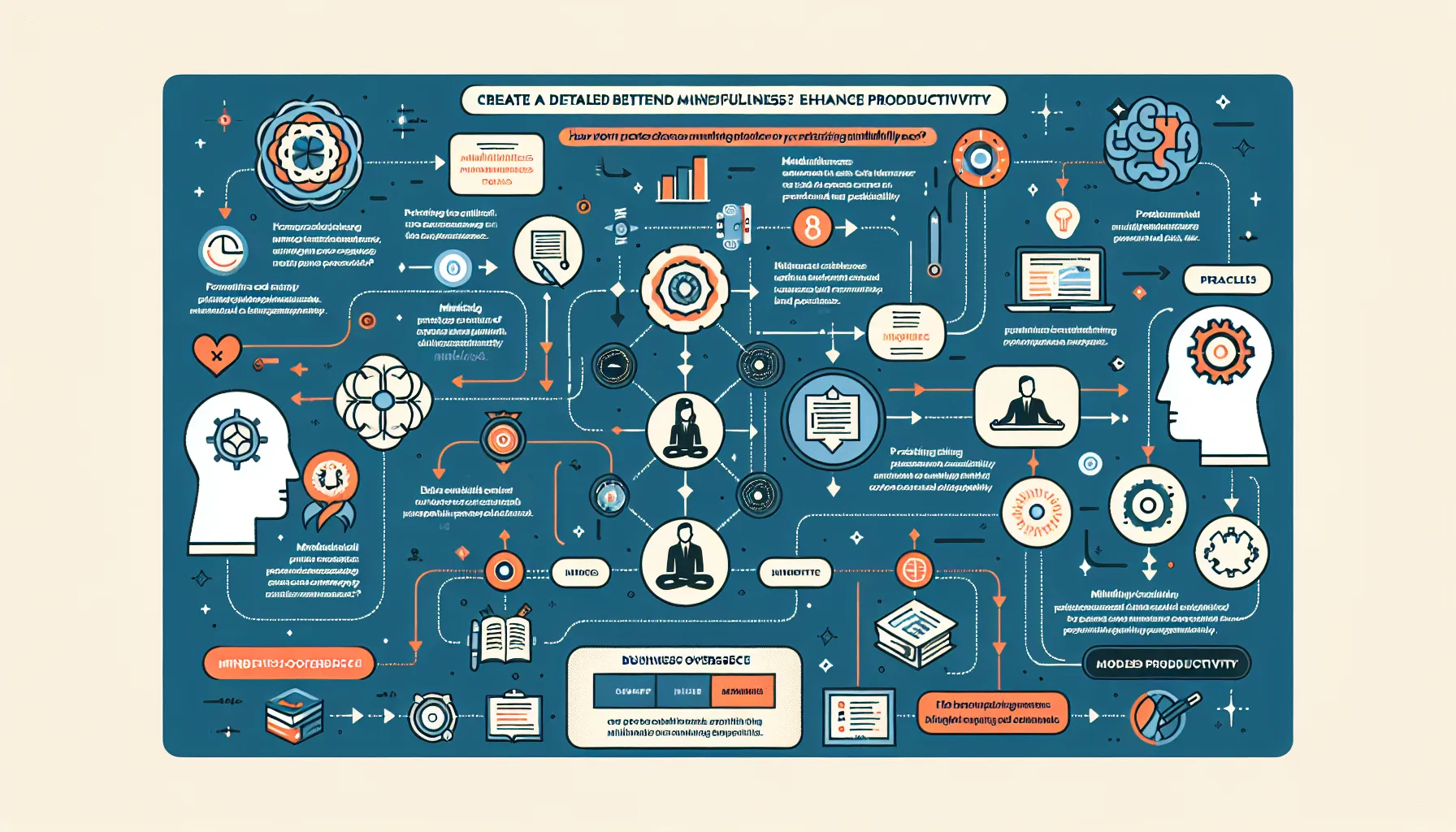
Benefits of Mindfulness in the Workplace
As organizations increasingly recognize the importance of employee well-being, mindfulness practices have emerged as effective tools to enhance productivity. The integration of mindfulness into workplace routines not only improves focus but also fosters creativity, leading to a more engaged and productive workforce. In this section, we will explore the benefits of mindfulness in the workplace, focusing on improved focus and enhanced creativity.
Improved Focus
Mindfulness is fundamentally about being present and fully engaged with the task at hand. This heightened state of awareness leads to several notable benefits for individuals and organizations alike:
Better Concentration: Mindfulness practices train the brain to focus on the present moment, allowing employees to concentrate better on their tasks. Research from Harvard University suggests that mindfulness meditation can increase attention span and concentration by almost 30 percent. By honing their attention, employees can complete tasks more efficiently and with greater accuracy.
Reduced Stress: A significant benefit of mindfulness is its ability to mitigate stress. A study by the American Psychological Association found that mindfulness reduces stress levels and improves emotional regulation. When employees experience less stress, they tend to be more focused and less prone to distractions, which contributes directly to higher productivity levels.
Enhanced Time Management: Mindfulness encourages a thoughtful approach to time management. Employees who practice mindfulness are better equipped to prioritize tasks and allocate their time effectively, reducing procrastination and enhancing productivity.
According to a survey conducted by the National Center for Complementary and Integrative Health, companies that implement mindfulness programs report a decrease in employee turnover rates, suggesting that mindfulness not only fosters a more focused workforce but also contributes to employee retention.
Enhanced Creativity
Mindfulness doesn’t just improve focus; it also enhances creativity, which is crucial for problem-solving and innovation in the workplace. Here are some ways how mindfulness fosters a creative environment:
Fosters Open-mindedness: Mindfulness encourages individuals to observe their thoughts without judgment, promoting a culture of openness and curiosity. This mental flexibility allows employees to explore new ideas and approaches without the fear of failure, which can lead to innovative solutions.
Encourages Collaboration: By cultivating a sense of presence and awareness, mindfulness promotes active listening and empathy among team members. This improved communication fosters collaborative environments where creative ideas can flourish. A report from the Institute for Mindful Leadership notes that organizations practicing mindfulness see a marked increase in teamwork and collaboration.
Stimulates Problem-solving: Mindfulness enhances divergent thinking, a key component of creativity that involves generating multiple solutions to a problem. A study published in the Journal of Business Research found that participants who engaged in mindfulness exercises performed better on creativity tasks than those who did not. This suggests that mindfulness can be a powerful tool for stimulating innovative thinking.
Several companies have embraced mindfulness as a core component of their workplace culture, reporting significant improvements in employee engagement and creativity. For instance, Google has implemented mindfulness programs such as “Search Inside Yourself,” which have been shown to increase productivity and foster a more innovative work environment. Similarly, Aetna, a health insurance company, reported a 28% reduction in stress levels among employees who participated in mindfulness training, along with a notable increase in productivity.
Conclusion
The benefits of mindfulness in the workplace are becoming increasingly evident. Improved focus and enhanced creativity are just two of the many advantages that mindfulness practices can offer. By creating a more engaged, resilient, and innovative workforce, organizations can position themselves for success in today’s competitive landscape. As recent studies and successful case examples demonstrate, integrating mindfulness into the workplace is not merely a trend but a strategic approach to enhancing both individual and organizational productivity.
For more insights on the benefits of mindfulness and its impact on productivity, consider exploring the latest research from Harvard University and the American Psychological Association’s studies on mindfulness. Additionally, the Institute for Mindful Leadership offers resources for organizations looking to implement mindfulness programs effectively.
Mindfulness Practices for Work
In today’s fast-paced work environments, the integration of mindfulness practices has become increasingly recognized for its potential to enhance productivity. Research indicates that mindfulness can lead to improved focus, reduced stress, and greater emotional resilience, all of which contribute to a more productive workplace. This section explores practical mindfulness techniques and how to incorporate them into daily routines to foster an environment that supports both mindfulness and productivity.
Quick Mindfulness Techniques
Implementing mindfulness doesn鈥檛 require extensive time commitments. Several quick techniques can easily fit into the busy workday, allowing employees to reset and regain focus. Here are a few effective methods:
Deep Breathing Exercises:
Take a moment to pause and focus on your breath. Inhale deeply through your nose for a count of four, hold for four, and exhale through your mouth for a count of six. This simple practice can reduce anxiety and improve concentration.
Mindful Walking:
Use a short break to take a walk, focusing on the sensations in your feet and the rhythm of your breath. This practice not only enhances awareness but also boosts creativity.
Body Scan Meditation:
Spend a few minutes scanning your body from head to toe, noticing areas of tension. This can help release physical stress and improve overall mental clarity.
Gratitude Journaling:
Take a few minutes each day to jot down three things you are grateful for. Research from the Greater Good Science Center at UC Berkeley suggests that practicing gratitude can improve mood and increase productivity.
To facilitate these practices, organizations can leverage various apps designed for workplace mindfulness. For instance, the Headspace app offers guided meditations and mindfulness exercises specifically tailored for busy professionals, while Insight Timer provides a plethora of free resources to help cultivate mindfulness. According to a study reported by the American Psychological Association, using mindfulness apps can lead to significant improvements in emotional well-being and productivity.
Incorporating Mindfulness into Daily Routines
Making mindfulness a part of the daily work routine can lead to sustained improvements in productivity. Here are some strategies for integrating mindfulness practices into everyday tasks:
- Scheduled Mindfulness Breaks:
- Encourage employees to take short, scheduled breaks throughout the day. A brief mindfulness session, even just five minutes, can refresh focus and enhance overall productivity. A study by the University of Massachusetts found that taking regular breaks can improve concentration and mental agility.
- Mindful Meetings:
- Begin meetings with a moment of silence or a brief mindfulness exercise. This practice can help set a positive tone and enhance collaboration. Research from the Harvard Business Review indicates that mindful meetings can lead to more effective communication and decision-making.
- Mindfulness Reminders:
- Utilize technology to send reminders for mindfulness practices. For example, setting alarms for short breathing exercises or using mindfulness apps to prompt mindfulness sessions can help integrate these practices seamlessly into the workday.
- Creating Mindful Spaces:
- Designate quiet areas in the workplace for mindfulness practices. These spaces can serve as retreats for employees to engage in meditation, deep breathing, or simply to gather their thoughts.
| Practice | Description |
|---|---|
| Scheduled Breaks | Short, timed breaks for mindfulness exercises |
| Mindful Meetings | Starting meetings with a short mindfulness session |
| Mindfulness Reminders | Use of technology to prompt mindfulness practices |
| Creating Mindful Spaces | Designated areas for meditation and reflection |
Conclusion
The connection between mindfulness and productivity is increasingly supported by research and practice. By implementing quick mindfulness techniques and integrating them into daily routines, organizations can foster a culture that enhances focus, reduces stress, and ultimately boosts productivity. The benefits of mindfulness extend beyond individual well-being; they contribute to a more engaged and effective workforce. As workplaces continue to evolve, prioritizing mindfulness practices will be crucial in navigating the challenges of modern work environments.
For further insights on the benefits of mindfulness in the workplace, consider exploring Harvard’s research on mindfulness and the American Psychological Association’s findings. Additionally, the Greater Good Science Center offers valuable resources on implementing mindfulness strategies effectively.

Current Trends in Mindfulness and Productivity
As organizations navigate the complexities of modern work environments, the connection between mindfulness and productivity has gained significant traction. Companies are increasingly recognizing that fostering a culture of mindfulness can lead to enhanced productivity among employees. This section explores current trends in corporate mindfulness initiatives and how these practices are being adapted to suit remote work settings.
Corporate Mindfulness Initiatives
In recent years, a growing number of organizations have implemented mindfulness programs aimed at supporting their teams. According to a report by the International Journal of Environmental Research and Public Health, mindfulness practices can lead to a 35% reduction in stress levels among employees, which in turn enhances productivity (source: IJERPH).
Organizations are adopting various mindfulness initiatives that include:
Mindfulness Workshops: Many companies are hosting on-site or virtual workshops to teach mindfulness techniques. For instance, Google has been a pioneer in this area, offering courses such as “Search Inside Yourself,” which have been instrumental in promoting emotional intelligence and resilience among employees.
Meditation Spaces: Companies like Aetna and LinkedIn have created designated meditation spaces within their offices. These quiet areas allow employees to disconnect from their work briefly, facilitating a mental reset that can boost focus and productivity.
Mindfulness Apps: Organizations are also partnering with mindfulness app developers, such as Headspace and Calm, to provide employees with resources they can access on their own time. A study by the University of Massachusetts found that employees who used a mindfulness app reported a 20% increase in productivity (source: Harvard.edu).
Remote Work Considerations
The shift to remote work has necessitated the adaptation of mindfulness practices to ensure employees remain connected and focused. With a significant portion of the workforce now working from home, companies have found innovative ways to incorporate mindfulness that fits this new context.
Virtual Mindfulness Workshops: The popularity of virtual workshops has surged. Companies like Slack and Zoom have begun hosting online mindfulness sessions that encourage employees to practice together, despite physical distances. These sessions typically include guided meditations and mindfulness exercises designed to improve focus and reduce anxiety.
Flexible Mindfulness Breaks: Remote work offers the opportunity for more flexible schedules, allowing employees to integrate mindfulness into their day. Organizations are encouraging staff to take short, regular breaks for mindfulness practices, which studies have shown can enhance overall productivity. Research from the American Psychological Association indicates that even five minutes of mindfulness can help improve attention and concentration (source: APA).
Mindfulness Challenges: Some organizations are introducing mindfulness challenges to foster engagement among remote employees. For example, companies may set up a month-long challenge encouraging employees to log their daily mindfulness practice. This not only promotes individual accountability but also builds a sense of community among remote workers.
Benefits of Mindfulness in the Workplace
The benefits of mindfulness extend beyond improved productivity. Some key advantages include:
Enhanced Emotional Intelligence: Mindfulness practices help employees develop greater self-awareness and emotional regulation, which can lead to better interpersonal relationships at work.
Increased Job Satisfaction: Employees who engage in mindfulness practices report higher levels of job satisfaction and overall well-being, which is crucial for retaining talent.
Reduction in Burnout: Mindfulness can significantly reduce burnout rates, with studies indicating that organizations with mindfulness programs report a 30% decrease in employee burnout (source: Bloomberg).
The integration of mindfulness into corporate culture is not merely a trend; it is becoming a fundamental component of organizational strategy. As organizations continue to adapt to the evolving nature of work, mindfulness will likely play an increasingly vital role in fostering productivity and employee well-being.
In conclusion, the current trends in mindfulness initiatives reflect a growing recognition of its value in enhancing productivity, particularly in the context of remote work. By embracing innovative mindfulness practices, organizations are not just improving their bottom line; they are investing in the holistic well-being of their employees. As we move further into an era defined by flexible work environments, the relationship between mindfulness and productivity will undoubtedly continue to evolve.
Future Projections for Mindfulness in the Workplace
As organizations increasingly recognize the importance of balancing mindfulness and productivity, the future of workplace mental well-being appears promising. This final section explores how emerging technologies and shifting workforce priorities will shape the landscape of mindfulness in professional settings.
Emerging Technologies
The integration of technology into mindfulness practices is set to revolutionize how employees engage with mental well-being. Here are several key advancements that are likely to support mindfulness initiatives in the workplace:
Wearable Devices: Companies are leveraging wearable technology to monitor stress levels and promote mindfulness. Devices like the Fitbit Sense and Apple Watch offer heart rate variability tracking, reminding users to take breaks for meditation or breathing exercises. According to a recent report from the American Psychological Association, the use of wearables in mental health management is projected to increase by 50% over the next five years.
Mobile Applications: Apps such as Headspace and Calm are becoming staples in corporate wellness programs. A study published in the Journal of Occupational Health Psychology found that employees who used mindfulness apps reported a 30% increase in workplace satisfaction and productivity. Organizations are now offering subscriptions to these platforms as part of their employee benefits to encourage mindfulness practices for work.
Virtual Reality (VR): The use of VR for mindfulness training is emerging as a novel method to help employees disconnect from their busy lives. Companies like Oculus offer immersive environments designed for meditation and relaxation. This technology can provide a more engaging experience compared to traditional methods, making mindfulness practices more accessible and enjoyable for employees.
Artificial Intelligence (AI): AI-driven platforms can personalize mindfulness training based on individual employee needs and preferences. For instance, AI can analyze performance metrics and suggest tailored mindfulness exercises to enhance focus and productivity. Companies adopting AI for this purpose are likely to see significant improvements in overall employee engagement.
Long-term Impact on Workforce
The future workforce is expected to prioritize mental well-being and productivity balance more than ever before. This cultural shift will have several implications:
Mindfulness-focused Leadership Training: Organizations are beginning to recognize the value of leaders who embody mindfulness principles. Leadership programs that emphasize emotional intelligence and mindfulness are being developed to cultivate healthier work environments. Companies like Google and LinkedIn have already implemented mindfulness training for their leaders, resulting in improved team dynamics and productivity.
Increased Employee Retention: Research from Deloitte indicates that companies that prioritize mental well-being initiatives see a 25% increase in employee retention rates. This trend will likely continue as younger generations enter the workforce, valuing employers who support their mental health.
Enhanced Collaboration: Mindfulness practices can foster empathy and active listening skills among team members. A survey by the Society for Human Resource Management found that organizations implementing mindfulness training report a 40% improvement in team collaboration. This collaborative spirit is essential in an increasingly interconnected work environment.
Focus on Diversity and Inclusion: Mindfulness initiatives can also contribute to creating a more inclusive workplace. By encouraging employees to be present and aware, organizations can foster environments where diverse perspectives are valued. Companies that embrace mindfulness as part of their diversity and inclusion strategies will likely see improved innovation and creativity.
In conclusion, the intersection of mindfulness and technology presents exciting opportunities for enhancing productivity and well-being in the workplace. As organizations continue to invest in these initiatives, they will not only improve their operational efficiency but also cultivate a culture of care and support. The future of work will undoubtedly be shaped by the ongoing emphasis on mindfulness, ultimately leading to healthier, more productive environments.
For further insights on the relationship between mindfulness and workplace productivity, visit Harvard Business Review for articles on leadership and mental health, or check out TechCrunch for the latest tech trends in employee wellness. Additionally, explore Deloitte for research on workplace trends and employee engagement strategies.

Key Takeaways
- Mindfulness is a vital tool for enhancing workplace productivity. By fostering a culture of mindfulness, organizations can help employees manage stress, improve focus, and enhance overall job satisfaction. The practice allows individuals to be more present in their tasks, which can lead to higher quality work and greater efficiency.
- Employers should consider implementing mindfulness practices. This can take many forms, such as offering mindfulness workshops, creating quiet spaces for meditation, or encouraging regular breaks for mindfulness exercises. By integrating these practices into the workplace, employers can contribute to a healthier work environment that promotes well-being and productivity.
- Future developments in mindfulness can further transform workplace dynamics. With the increasing integration of technology in our lives, future trends may include the use of apps and virtual reality experiences designed to facilitate mindfulness. These innovations can make mindfulness more accessible and tailored to individual needs, potentially leading to a more focused and engaged workforce.
In conclusion, the exploration of mindfulness and productivity reveals a compelling connection that is increasingly relevant in today’s fast-paced work environments. Currently, many organizations are recognizing the importance of mental well-being as a critical component of overall productivity. By implementing mindfulness practices, companies not only enhance their employees’ focus and creativity but also foster a more supportive and engaged workplace culture.
Actionable takeaways for businesses looking to harness the benefits of mindfulness include starting small. Employers can encourage employees to take regular short breaks to practice mindfulness techniques, such as deep breathing or short meditations. Additionally, organizations might consider providing resources, such as access to mindfulness apps or training sessions, to equip their teams with the necessary tools to cultivate this practice.
Looking ahead, emerging trends in mindfulness suggest that the future will bring even more innovative solutions tailored to enhance workplace productivity. As noted in Harvard Business Review, the shift towards remote work has spurred new opportunities for mindfulness integration, with virtual programs and digital platforms becoming increasingly popular. Furthermore, as new research continues to emerge on the neurological benefits of mindfulness, we can expect more organizations to adopt evidence-based mindfulness practices to maximize employee output and satisfaction.
In this ever-evolving landscape, it is crucial for businesses to stay informed about these developments and to actively promote a culture that values mental well-being. Now is the time to take action; whether you are an employer or an employee, consider how you can integrate mindfulness into your daily routine. For insights into practical mindfulness techniques, explore resources like Mindful.org, which offers a wealth of information to get started.
By embracing mindfulness, we can collectively pave the way for a more productive, innovative, and resilient workforce that can thrive in the face of future challenges.
Frequently Asked Questions
How does mindfulness improve productivity?
Mindfulness enhances productivity by promoting focus and reducing distractions. When individuals practice mindfulness, they become more aware of their thoughts and feelings, allowing them to manage stress and anxiety effectively. This heightened awareness leads to improved concentration, better decision-making, and increased creativity. By fostering a calm and present mindset, mindfulness helps employees to engage fully in their tasks, ultimately resulting in higher productivity levels and job satisfaction.
What are some effective mindfulness practices for work?
Effective mindfulness practices for work include deep breathing exercises, short meditation sessions, and mindful walking breaks. Employees can also engage in gratitude journaling or mindfulness apps that provide guided meditations. Incorporating regular pauses throughout the workday to check in with oneself helps maintain focus and reduce stress. Additionally, setting aside time for team mindfulness activities can foster a supportive work environment and enhance overall employee well-being.
What benefits can organizations expect from implementing mindfulness programs?
Organizations implementing mindfulness programs can expect numerous benefits, including reduced employee stress, improved mental health, and enhanced productivity. These programs can lead to lower absenteeism, higher job satisfaction, and better employee retention rates. Mindfulness fosters a positive work culture, encourages collaboration, and enhances creativity. By investing in mindfulness, organizations demonstrate commitment to employee well-being, which can improve overall morale and create a more engaged workforce.
Can mindfulness help in managing workplace stress?
Yes, mindfulness is an effective tool for managing workplace stress. By encouraging employees to focus on the present moment, mindfulness practices can help reduce feelings of overwhelm and anxiety. Techniques such as mindful breathing and meditation allow individuals to step back from stressful situations, promoting a sense of calm and clarity. As employees learn to manage their stress through mindfulness, they are better equipped to handle challenges and maintain productivity in a demanding work environment.
Is mindfulness practice time-consuming for employees?
Mindfulness practices can be adapted to fit various schedules, making them accessible and not necessarily time-consuming. Simple techniques like a few minutes of deep breathing or a short guided meditation can be integrated into the workday. Even brief moments of mindfulness, such as taking a mindful walk or pausing to observe one鈥檚 breath, can yield significant benefits. Organizations can encourage employees to find small windows of time throughout their day for mindfulness, enhancing productivity without requiring extensive time commitments.
How can leaders promote mindfulness in the workplace?
Leaders can promote mindfulness in the workplace by modeling mindful behaviors and incorporating mindfulness into the company culture. They can initiate mindfulness programs, workshops, and training sessions to educate employees about its benefits. Encouraging breaks for mindfulness practices and creating quiet spaces for relaxation can also foster a mindful environment. By prioritizing mental well-being and encouraging open discussions about mindfulness, leaders can inspire employees to embrace these practices, ultimately enhancing productivity and workplace morale.
Are there any scientific studies supporting the benefits of mindfulness for productivity?
Yes, numerous scientific studies support the benefits of mindfulness for productivity. Research has shown that mindfulness practices can lead to improvements in attention, memory, and cognitive flexibility. Studies indicate that employees who engage in mindfulness training report reduced stress levels and enhanced focus, leading to better performance outcomes. These findings highlight the positive impact of mindfulness on workplace productivity, making it a valuable practice for organizations seeking to optimize employee performance and well-being.
How can mindfulness contribute to team collaboration?
Mindfulness can significantly contribute to team collaboration by fostering better communication and empathy among team members. When individuals practice mindfulness, they become more attuned to their thoughts and feelings, which enhances their ability to listen and respond thoughtfully to others. This heightened awareness reduces conflicts and encourages a supportive atmosphere where diverse ideas can flourish. Additionally, mindfulness practices can help teams manage stress collectively, leading to improved cohesion and more effective collaboration on projects.