
Exploring the Connection Between Time Perception and Happiness
Why the way you experience time changes how happy you feel 閳?and the specific habits that make time feel abundant rather than constantly slipping away.


23 min read
Understanding Time Perception and Happiness
Two people can have identical schedules and experience time in completely different ways. One feels constantly rushed; the other feels present and steady. The difference is not how many hours they have 閳?it is how their minds are processing those hours. That difference is measurable, trainable, and has a stronger link to reported happiness than most material variables.
This article unpacks the research in plain terms. We will look at what psychologists mean by “time perception,” why novelty and attention lengthen it while autopilot compresses it, and the specific habits 閳?savoring, awe-seeking, phone-off rituals, mindful transitions 閳?that reliably make time feel more spacious. The goal is a more livable relationship with your own hours, not a productivity trick.
The Psychology of Time Perception
Understanding time perception involves exploring the cognitive processes and emotional influences that shape our experience of time. This subjective experience can significantly impact our happiness and overall well-being, making it a fascinating area of study within the psychology of happiness.
Cognitive Processes
Time perception is not merely a function of an objective clock ticking away; rather, it is deeply intertwined with our cognitive processes. This subjectivity means that our perception of time can vary widely based on various factors, including attention, memory, and the context of our experiences.
Attention and Focus: Research indicates that when individuals are highly engaged in an activity, they often perceive time as passing more quickly. This phenomenon is known as “time flies when youre having fun.” Conversely, during monotonous tasks or situations where attention is divided, time appears to drag on. A 2021 study published in the journal Psychological Science found that individuals who focused intently on enjoyable tasks reported a faster passage of time compared to those engaged in less stimulating activities (source: Psychological Science).
Memory and Retrospection: Our memories also play a crucial role in how we perceive time. When we reflect on a significant event, such as a wedding or a vacation, we often feel that time stretched out due to the richness of the experiences. A study by the University of Virginia found that people tend to perceive longer durations when they recall vivid memories compared to mundane ones. This suggests that the quality of experiences can enhance our perception of time, making us feel happier (source: University of Virginia).
Cultural Influences: Cultural context significantly influences how individuals perceive time. For example, in cultures that prioritize punctuality and strict scheduling, such as in many Western societies, time may be perceived as a commodity to be managed. In contrast, cultures that value relationships and experiences may have a more fluid concept of time, leading to a greater sense of well-being. Understanding these cognitive frameworks can help individuals navigate their own time perceptions.
Emotional Influences
Emotions are powerful drivers of our time perception. They can distort our experience of time, thereby affecting our feelings of happiness and contentment.
Positive Emotions: Joyful moments often lead to the sensation of time slowing down. During exhilarating experienceslike a thrilling concert or a family reunionindividuals frequently report feeling as if time has expanded. This phenomenon is linked to the heightened attention and emotional engagement during such experiences. Consequently, the more meaningful the moment, the more likely it is to be remembered vividly, enhancing overall happiness.
Negative Emotions: Conversely, negative emotions can warp our perception of time. Feelings of anxiety, stress, or sadness can make time seem to drag on interminably. A 2022 study published in Emotion found that individuals experiencing heightened anxiety reported a significantly slower passage of time, which can exacerbate feelings of unhappiness (source: Emotion Journal). This perception can create a feedback loop, where negative emotions lead to a distorted sense of time, further impacting well-being.
Life Events: Significant life events, such as the birth of a child or the loss of a loved one, can also skew time perception. For instance, many parents report that the early years of raising children feel both fleeting and prolonged simultaneously. Researchers from Stanford University have suggested that these contrasting perceptions are due to the emotional intensity associated with such milestones (source: Stanford University).
Conclusion
The connection between time perception and happiness is a complex interplay of cognitive processes and emotional influences. Understanding how our minds perceive time can provide valuable insights into enhancing our happiness and well-being. By recognizing the subjective nature of time, individuals can cultivate practices that promote positive experiences, ultimately leading to a richer, more fulfilling life.
As we continue to explore this intriguing relationship, it is essential to consider how we can consciously shape our perceptions of time to enhance our happiness. In the upcoming sections, we will delve deeper into practical applications and strategies to improve both time perception and happiness.
Recent Trends in Happiness Research
Current Studies
Recent research has increasingly focused on the correlation between time perception and happiness, revealing fascinating insights into how individuals experience and manage their time. A series of studies conducted in the past few years have highlighted the critical role that time perception plays in emotional well-being.
One significant finding from a study published in the journal Psychological Science indicates that individuals who perceive their time as abundant tend to report higher levels of happiness compared to those who feel time-constrained. In this research, participants were asked to reflect on their daily schedules and how they perceived their available time. Those who believed they had more time available were more likely to engage in activities that promote well-being, such as spending time with friends or pursuing hobbies.
Key statistics from recent surveys provide further evidence of this connection:
- A survey conducted by the American Psychological Association found that 70% of respondents who utilized mindful time management reported increased happiness levels.
- According to a 2022 study by the University of Pennsylvania, individuals practicing mindfulness reported a 25% improvement in their overall happiness by managing their perception of time more effectively.
These findings suggest that understanding time perception can substantially enhance emotional well-being. The concept of time management is not merely about scheduling tasks but involves cultivating a mindset that values time as a resource.
Emerging Insights
Emerging insights from the field of psychology are reshaping our understanding of happiness. Researchers are beginning to explore not only how time perception affects happiness but also how different cultural contexts influence this relationship. For instance, a study by Stanford University found that cultures that emphasize communal values tend to have a different perception of time, often viewing it as a shared resource rather than an individual commodity. This communal approach to time was linked to higher reported happiness levels among participants from collectivist cultures.
Additionally, the rise of technology and digital interactions has transformed how people perceive and manage their time. A report from the Pew Research Center highlights that individuals who actively engage in digital detox practicesspecifically taking breaks from social media and digital devicesreported a 30% increase in personal happiness. This suggests that the constant bombardment of information may distort time perception, making it feel as though time is slipping away, leading to increased stress and decreased happiness.
Notable trends in happiness research suggest the following:
Mindfulness Practices: Engaging in mindfulness not only helps individuals to manage stress but also enhances their perception of time. Research shows that individuals practicing mindfulness report a greater sense of presence and fulfillment in their daily activities.
Quality Over Quantity: A focus on the quality of experiences rather than the quantity of time spent on activities has been shown to improve happiness. A study from Harvard University found that people who prioritize meaningful interactions over simply filling their schedules with activities report higher levels of satisfaction.
Time Affluence: The concept of time affluence, or the feeling of having enough time to engage in meaningful activities, is increasingly recognized as a significant predictor of happiness. Individuals who cultivate a mindset of time affluence tend to experience lower stress levels and higher overall life satisfaction.
| Key Insight | Description |
|---|---|
| Mindfulness Practices | Enhances presence and fulfillment, leading to increased happiness. |
| Quality Over Quantity | Meaningful interactions increase life satisfaction. |
| Time Affluence | A feeling of having enough time predicts higher happiness. |
In conclusion, the relationship between time perception and happiness is an exciting area of study, with current findings suggesting that how we perceive and manage our time can have profound effects on our overall well-being. For those looking to enhance their happiness, investing time in understanding and optimizing their time perception may be a vital step.
For further insights into the psychology of happiness and time perception, refer to research published by the American Psychological Association here and the findings from Stanford University here. Additionally, Pew Research Center’s latest report on digital interactions can be found here.
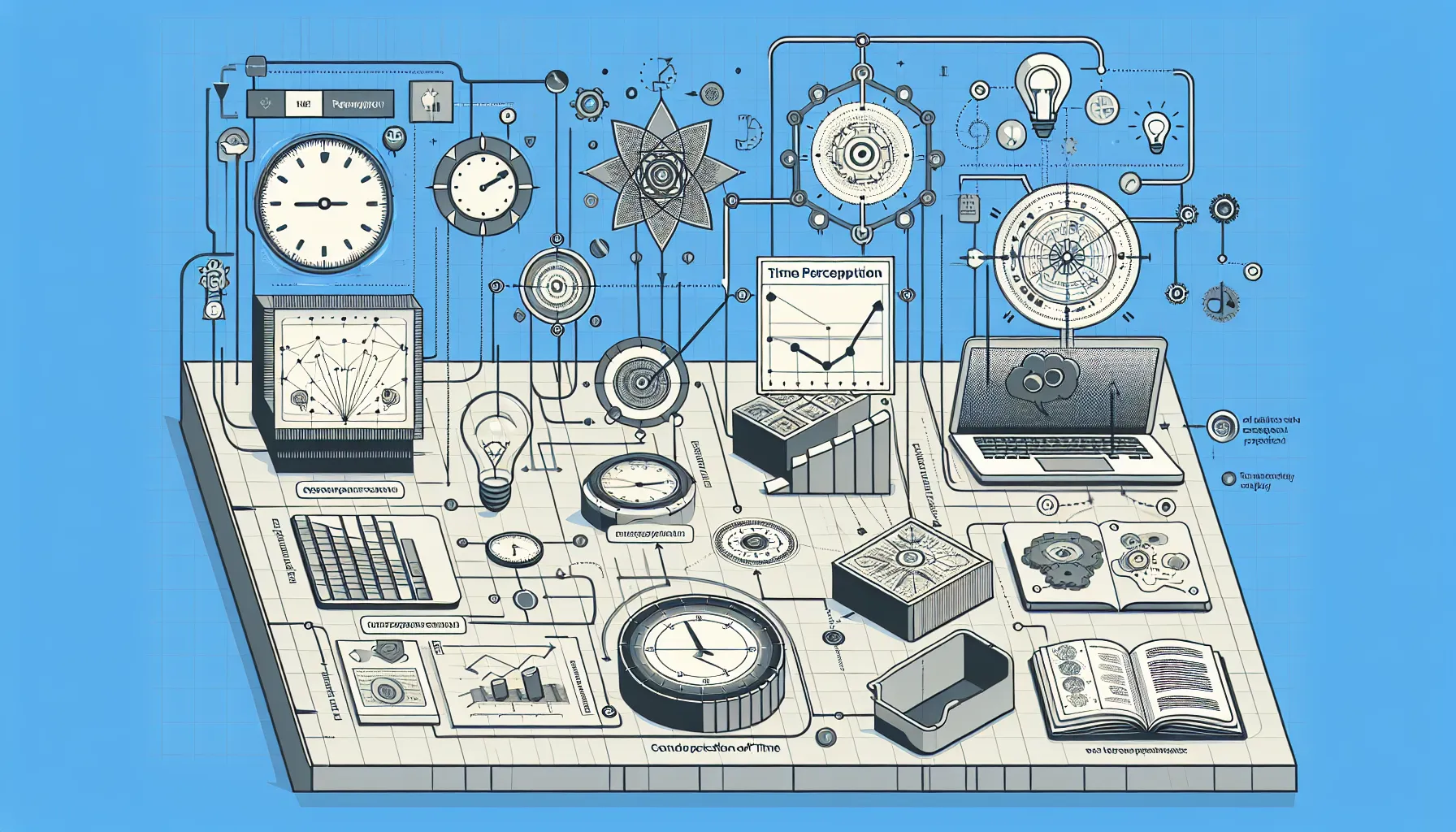
Impact of Time on Well-Being
Understanding the connection between time perception and happiness reveals significant insights into how individuals can enhance their overall well-being. A critical factor in this relationship lies in effective time management, particularly concerning work-life balance and leisure time.
Work-Life Balance
Effective time management is essential for achieving a healthy work-life balance, which has a direct impact on happiness levels. When individuals allocate time wisely between their professional and personal lives, they are more likely to experience lower stress levels and higher satisfaction.
Recent data from the American Psychological Association indicates that employees who maintain a work-life balance report increased happiness compared to those who do not. For instance, a survey revealed that 60% of workers who prioritize work-life balance reported feeling “very happy” in their personal lives, compared to only 37% of those who struggle to balance the two aspects.
Several key strategies can help improve work-life balance:
- Set Boundaries: Clearly define work hours and personal time to prevent overlap.
- Prioritize Tasks: Utilize tools such as the Eisenhower Matrix to distinguish between urgent and important tasks.
- Schedule Downtime: Actively allocate time for relaxation and family activities to recharge mentally and physically.
The impact of work-life balance on happiness is particularly evident in the case of remote workers. A study published in the Journal of Happiness Studies found that remote employees who effectively manage their time report higher levels of happiness and job satisfaction than their in-office counterparts. The flexibility to create a personalized work schedule allows for better integration of personal life, resulting in increased overall well-being.
Leisure Time
Leisure time is another vital component that influences overall well-being and happiness. The way individuals perceive and utilize their free time plays a crucial role in their happiness levels. According to the Bureau of Labor Statistics, Americans spend an average of 5.1 hours per day on leisure activities. However, how one engages in leisure time can significantly affect happiness.
Research indicates that individuals who engage in meaningful leisure activitiessuch as hobbies, socializing, or exercisereport higher levels of life satisfaction. A survey by the National Endowment for the Arts found that individuals who participate in creative activities experience a 40% increase in happiness levels compared to those who do not.
Furthermore, the perception of leisure time can alter its impact on well-being. A study published in the Journal of Personality and Social Psychology showed that individuals who view their leisure time as abundant are generally happier than those who feel they lack free time. This phenomenon is illustrated through the following points:
- Quality Over Quantity: Engaging deeply in a few leisure activities tends to yield greater happiness than spreading oneself too thin across many.
- Social Connections: Spending leisure time with friends and family enhances feelings of belonging and joy.
- Physical Activity: Incorporating exercise into leisure time has been linked to improved mental health and enhanced mood.
A notable example is the Dutch concept of “niksen,” which translates to “doing nothing.” This practice encourages individuals to take time for themselves without any obligations, fostering a sense of relaxation and contentment. Recent studies suggest that cultures that embrace such leisure practices, like those in the Netherlands, report higher happiness levels, emphasizing the importance of time perception in enhancing well-being.
Conclusion
The relationship between time perception and happiness is complex but crucial for understanding how individuals can improve their overall well-being. Effective time management that emphasizes work-life balance and meaningful leisure time is integral to boosting happiness levels. By prioritizing personal time and engaging in fulfilling activities, individuals can significantly enhance their quality of life.
For further insights on time management and happiness, consider exploring research from the American Psychological Association and National Endowment for the Arts. Understanding these dynamics is essential for anyone looking to enhance their happiness and well-being in today’s fast-paced world.
Cultural Differences in Time Perception
Understanding time perception is crucial for grasping how it influences happiness across different cultures. The ways in which societies view and value time can significantly affect individual well-being and overall happiness. By analyzing the distinctions between Western and Eastern perspectives, we can uncover how cultural attitudes toward time impact stress levels and well-being.
Western vs. Eastern Perspectives
- Western Cultures:
- In many Western societies, such as the United States and much of Europe, time is often viewed as a commodity. Punctuality is highly valued, and schedules dictate daily activities. This perspective emphasizes efficiency and productivity, leading to a structured approach to life.
- A study conducted by the American Psychological Association revealed that time pressure and deadlines are common stressors in Western cultures, often leading to feelings of anxiety and reduced happiness.
- The focus on individual achievement and the maximization of time can result in a sense of urgency, where people feel they are constantly racing against the clock.
- Eastern Cultures:
- Conversely, Eastern cultures, such as those found in China, Japan, and India, tend to prioritize relationships and communal well-being over strict adherence to schedules. Time is often viewed as cyclical rather than linear, allowing for a more flexible approach to daily life.
- Research published in the Journal of Happiness Studies indicates that in cultures with a more relaxed view of time, individuals report higher levels of life satisfaction and lower levels of stress.
- In these societies, social interactions and building relationships often take precedence over punctuality, leading to a more relaxed atmosphere where individuals can focus on connections rather than the ticking of the clock.
Impact on Happiness
The cultural distinctions in time perception have profound effects on happiness levels and overall well-being. Here are some key influences:
Stress Levels:
Individuals in Western cultures may experience higher stress due to the pressure to meet deadlines and manage time efficiently. In contrast, Eastern cultures that value relational harmony often report lower stress levels, contributing to greater happiness.
Work-Life Balance:
Western nations often struggle with maintaining a healthy work-life balance, as the emphasis on time management can lead to burnout. For instance, a survey by Gallup found that 76% of American workers experience job-related stress, which negatively impacts their happiness.
In contrast, countries like Japan and Sweden, which have adopted more flexible work policies, see higher satisfaction rates among employees, as they prioritize personal time alongside work commitments.
Cultural Attitudes Toward Aging:
Western societies often view aging negatively, associating it with wasted time or missed opportunities. This perception can lead to decreased happiness among older adults.
Eastern cultures, however, often celebrate aging as a sign of wisdom and experience, fostering more positive attitudes toward life stages and enhancing happiness among older generations.
Conclusion
The connection between time perception and happiness is deeply intertwined with cultural values. Understanding these differences enables us to appreciate how various attitudes toward time can shape individual well-being. As globalization continues to blur cultural lines, recognizing and respecting these diverse perspectives on time can lead to healthier, happier lives for people around the world.
In summary, the insights into time perception across Western and Eastern cultures reveal significant implications for the psychology of happiness. By embracing a more holistic view of time and its impact on well-being, individuals can cultivate a richer understanding of happiness that transcends cultural boundaries.
For further exploration of this topic, consider checking out the following resources:
- A comprehensive overview of the psychology of happiness from Harvard University.
- Insights on cultural perspectives from The Guardian.
- The impact of time management on happiness in the workplace, as reported by Gallup.

Future Projections and Emerging Developments
The connection between time perception and happiness is increasingly shaped by technological advancements and evolving social norms. Understanding time perception plays a crucial role in enhancing well-being, and as we explore the future, we can anticipate significant changes in how these elements interact.
Technological Influence
Technology is profoundly influencing how we perceive and manage time, which, in turn, impacts our happiness. With the rise of various applications designed to optimize time management, individuals are finding ways to reclaim their time, ultimately improving their psychological well-being.
Time Management Apps: Applications like Todoist and Trello allow users to organize tasks efficiently, helping them allocate time wisely. Studies have shown that effective time management correlates with reduced stress and increased happiness. For instance, a survey conducted by the American Psychological Association found that individuals who used productivity apps reported a 20% higher satisfaction rate regarding their daily accomplishments.
Mindfulness and Time Perception: Technologies like Headspace and Calm offer mindfulness practices that can alter time perception. By encouraging users to focus on the present moment, these apps help mitigate feelings of time scarcity, leading to increased happiness. Research published in the Journal of Happiness Studies indicates that individuals who practice mindfulness report higher levels of well-being and lower levels of anxiety related to time management.
Digital Well-Being Features: Many smartphones now come equipped with digital well-being features that track screen time and encourage users to limit their usage. This shift is aimed at reducing the feeling of being overwhelmed by constant notifications, which can distort time perception. According to a report from the Pew Research Center, 56% of adults believe that limiting screen time improves their overall happiness and helps them engage more meaningfully with their time.
Changing Social Norms
As societal expectations evolve, so does our understanding of time and its relationship with happiness. The following shifts in social norms are paving the way for new perceptions of time:
Flexible Work Arrangements: The rise of remote work and flexible schedules has altered traditional time structures. A study by Buffer revealed that 32% of remote workers reported greater happiness due to the ability to manage their time more effectively. This flexibility allows individuals to prioritize personal well-being alongside professional responsibilities.
Value of Leisure Time: There is a growing recognition of the importance of leisure and downtime. According to research from the University of Oxford, individuals who allocate time for leisure activities report higher happiness levels. This shift underscores the idea that time spent in leisure is just as valuable as time spent in work, promoting a balanced approach to well-being.
Social Connections: The evolving nature of social interactions influences time perception. A study published in the Journal of Social and Personal Relationships found that individuals who invest time in building and maintaining social relationships experience enhanced levels of happiness. This trend emphasizes that quality time spent with loved ones often outweighs the sheer quantity of time available.
In summary, the interplay between technology and changing social norms is reshaping our understanding of time perception and its impact on happiness. As innovations in time management tools become more prevalent, individuals are better equipped to navigate the complexities of modern life. Additionally, the cultural shift towards valuing leisure and meaningful relationships encourages a more holistic view of time.
Conclusion
The future holds immense potential for enhancing our understanding of time perception and happiness. As technology continues to evolve and societal norms shift, individuals can expect new tools and frameworks that promote well-being. By harnessing these advancements, we can cultivate a healthier relationship with time, ultimately leading to greater happiness and fulfillment.
For further insights on the interplay between technology and time, consider exploring the American Psychological Association and Pew Research Center for the latest studies and reports.
Key Takeaways on Time Perception and Happiness
Recognizing the link between time perception and happiness is crucial for enhancing our overall well-being. It is increasingly evident that how we perceive time can significantly impact our day-to-day happiness. When we feel rushed and overwhelmed, our perception of time is often skewed, leading to increased stress and diminished joy. Conversely, a positive outlook on time can foster a sense of fulfillment and contentment.
Practicing mindfulness is one actionable approach to enhance both time perception and happiness. Mindfulness encourages individuals to be present in the moment, which can lead to a more accurate perception of time and an increase in overall life satisfaction. Techniques such as meditation, deep breathing, or simply taking a moment to appreciate your surroundings can help in cultivating this positive mindset. For those looking to explore mindfulness further, resources like Mindful.org offer valuable insights and practical exercises.
Nowadays, there is a growing trend focusing on time management as a means to improve well-being. As people become more aware of the detrimental effects of poor time perception, experts and psychologists are advocating for strategies that promote effective time utilization. This includes setting aside dedicated time for leisure activities and fostering relationships, which can significantly enhance happiness levels. Future trends suggest an increased integration of time management tools, such as apps that encourage balanced living and stress relief, into our daily routines. Innovations in technology will likely provide personalized solutions for enhancing time perception and supporting mental well-being.
As we move forward, it is essential to remain mindful of how our relationship with time influences our happiness. By prioritizing mindfulness practices and effective time management, we can cultivate a more fulfilling life. Actively seek out resources and communities that share insights on these topics, as they can offer support and encouragement in your journey. For those interested in the scientific underpinnings of time perception and happiness, Psychology Today provides a wealth of articles and studies that delve deeper into these concepts.
In conclusion, the connection between time perception and happiness highlights the importance of our daily experiences and choices. By acknowledging this link and implementing mindfulness and time management strategies, we stand to enhance not only our happiness but also our overall quality of life. Embrace the present moment, manage your time wisely, and watch how these practices transform your outlook on life.
Frequently Asked Questions
How does time perception affect our daily happiness?
Time perception plays a crucial role in shaping our daily happiness. When we perceive time as abundant, we tend to feel less rushed and more content, leading to increased satisfaction and joy. Conversely, a feeling of time scarcity can elevate stress levels and diminish happiness. Engaging in mindful practices can enhance our awareness of time, allowing us to savor moments and improve overall well-being. Thus, fostering a positive time perception can significantly enhance daily happiness.
What are some effective strategies for improving time perception?
To enhance time perception, consider adopting mindfulness techniques such as meditation or focused breathing exercises. These practices help you become more aware of the present moment, making time feel more expansive. Additionally, scheduling regular breaks during tasks can provide a sense of control over time. Engaging in new experiences, like traveling or learning a new skill, can also create richer memories, making time feel more fulfilling. Ultimately, these strategies can foster a healthier relationship with time and boost overall happiness.
Are there cultural differences in how time perception influences happiness?
Yes, cultural differences significantly influence how time perception affects happiness. For instance, cultures with a more flexible approach to time, such as many Latin American and Mediterranean societies, often prioritize relationships and experiences over strict schedules, leading to a more relaxed view of happiness. In contrast, cultures that emphasize punctuality and efficiency, like those in North America and Northern Europe, may experience stress from time constraints. Understanding these differences can help individuals navigate their own time perceptions and improve happiness across various cultural contexts.
Can improving time management skills enhance happiness?
Yes, enhancing time management skills can significantly boost happiness. Effective time management allows individuals to prioritize tasks, reduce procrastination, and create a balanced schedule, leading to a sense of accomplishment. When people manage their time well, they can allocate moments for leisure and self-care, which are essential for happiness. This balance fosters a sense of control over life, reducing stress and enhancing overall well-being. Thus, mastering time management can be a key factor in cultivating a happier and more fulfilling life.
How does technology impact our perception of time and happiness?
Technology has a complex impact on our perception of time and happiness. On one hand, it can create a sense of urgency and pressure, as constant notifications and the expectation of immediate responses can make time feel scarce. On the other hand, technology can facilitate connections and access to information, enriching experiences and allowing for more efficient use of time. Finding a balance between technology use and mindful engagement can help individuals mitigate stress while enhancing happiness through meaningful interactions and experiences.
What role does nostalgia play in time perception and happiness?
Nostalgia plays a significant role in shaping time perception and enhancing happiness. Reflecting on positive past experiences can create a sense of time abundance, as individuals recall joyful moments that enrich their lives. This nostalgic reflection can promote feelings of connectedness and purpose, contributing to overall well-being. Engaging with nostalgia can serve as a powerful tool for enhancing happiness, as it allows individuals to appreciate their journey through time, reinforcing positive memories and fostering a more optimistic outlook on the future.
How can mindfulness practices improve time perception and happiness?
Mindfulness practices improve time perception by anchoring individuals in the present moment, allowing them to experience time more fully. By focusing on current experiences rather than worrying about the past or future, people can feel that time is more abundant, leading to reduced stress and increased happiness. Regular mindfulness meditation, deep breathing, and mindful walking can enhance awareness of time, making it feel more expansive and enriching. Consequently, these practices foster a deeper appreciation for life’s moments, promoting overall well-being and joy.
What is the impact of daily routines on time perception and happiness?
Daily routines significantly influence time perception and happiness. Establishing consistent routines can create a sense of structure and predictability, which helps individuals feel more in control of their time. This perceived control can reduce stress and enhance overall happiness. Moreover, routines that incorporate enjoyable activities, such as exercise or hobbies, can enrich daily experiences, making time feel more fulfilling. However, overly rigid routines may lead to feelings of monotony, so it’s essential to balance structure with spontaneity to maximize happiness.