
Exploring the Role of Mindfulness in Stress Reduction
What mindfulness actually does to the stress response, and the short practices that move the needle before a rough day turns into a rough week.


21 min read
What You Need to Know
Stress is not just a feeling. It is a measurable cascade 鈥?cortisol, heart rate, muscle tension, narrowed attention 鈥?that your body runs whether the threat is a deadline or a difficult conversation. Mindfulness works on stress because it interrupts that cascade at an unusually useful point: the moment between noticing a trigger and reacting to it. Practiced regularly, it widens that gap enough to let you choose your response.
This article covers how that interruption works physiologically, which mindfulness techniques have the strongest evidence for stress reduction (MBSR, breath-focused meditation, body scans), and the short daily practices that sustain the effect. It also flags what mindfulness doesn’t fix 鈥?structural stressors, untreated anxiety disorders 鈥?so you can slot it alongside the other mental health tools you may need.
The Science Behind Mindfulness and Stress Reduction
Mindfulness has gained substantial attention in recent years as a potent tool for stress reduction. The practice of being fully present and engaged in the moment has been supported by a growing body of scientific evidence suggesting that mindfulness can significantly alter both brain function and structure related to stress responses. In this section, we will explore the neuroscience of mindfulness and its psychological benefits, including how mindfulness reduces stress and the many benefits associated with its practice.
Neuroscience of Mindfulness
Recent advances in neuroscience have begun to unravel how mindfulness for stress reduction works at a biological level. Studies utilizing neuroimaging techniques, such as functional MRI (fMRI), have shown that mindfulness alters activity in areas of the brain involved in stress regulation, emotional processing, and self-awareness.
Changes in Brain Structure: Research indicates that regular mindfulness practice can lead to structural changes in the brain. For example:
The hippocampus, which is crucial for memory and emotional regulation, may increase in gray matter density.
The amygdala, responsible for the stress response, may decrease in size and activity, leading to lower stress levels.
Cortisol Reduction: Mindfulness has been linked with significant reductions in cortisol levels, a hormone often associated with stress. A meta-analysis published in the journal Health Psychology Review found that mindfulness practices could lead to an average reduction of approximately 30% in cortisol levels among practitioners. This reduction can contribute to a decreased overall stress response in daily life.
Psychological Benefits
The psychological benefits of mindfulness extend beyond mere stress reduction. Engaging in mindfulness practices can foster a range of positive mental health outcomes.
- Enhanced Emotional Regulation: Mindfulness allows individuals to observe their thoughts and feelings without judgment, leading to improved emotional regulation. This can help prevent the escalation of stress reactions.
- Increased Resilience: Practicing mindfulness equips individuals with tools to better cope with stressors. A study published in the Journal of Happiness Studies demonstrated that individuals who practiced mindfulness reported higher resilience scores and lower anxiety levels.
Current Trends and Case Studies
Recent data shows a surge in interest surrounding mindfulness practices as effective stress management strategies. For instance, a study conducted by researchers at Harvard University revealed that participants who engaged in an eight-week mindfulness-based stress reduction program experienced not only reduced stress but also improvements in overall well-being.
Additionally, a corporate case study involving a major tech company found that employees who participated in mindfulness workshops reported a dramatic decrease in reported stress levels and an increase in job satisfaction. Surveys indicated that:
- 82% of participants felt more focused at work after mindfulness training.
- 75% reported improved interpersonal relationships with colleagues.
Conclusion
The interplay between neuroscience and psychological benefits highlights the profound impact of mindfulness on stress reduction. As evidence mounts regarding the effectiveness of mindfulness as a stress management strategy, it becomes increasingly clear that incorporating mindfulness practices into daily routines can yield significant benefits. The continued exploration of mindfulness in both clinical and everyday settings may pave the way for broader acceptance and integration into health practices.
For further reading on mindfulness and its benefits, consider exploring resources like Harvard’s research on mindfulness and recent findings from the American Psychological Association. As we delve deeper into the practical applications of mindfulness, its role in stress management strategies will likely become even more prominent in both personal and professional contexts.
Current Trends in Mindfulness Practices
As society increasingly recognizes the importance of mental well-being, mindfulness for stress reduction has gained traction through various modern practices. This section explores two significant trends: the rise of mindfulness apps and the adoption of corporate mindfulness programs. Both have shown promising results in enhancing stress management strategies and improving overall quality of life.
Mindfulness Apps
The proliferation of mobile applications dedicated to mindfulness has transformed how individuals practice mindfulness for stress reduction. Recent statistics indicate that the mindfulness app market has experienced remarkable growth, with a projected value of nearly $4 billion by 2025, growing at a compound annual growth rate (CAGR) of 40% from 2020 to 2025 according to data from ResearchAndMarkets.com.
Key features of these apps include:
- Guided Meditations: Many apps offer a vast library of guided meditations tailored to different needs, such as anxiety relief, sleep improvement, and emotional resilience.
- Progress Tracking: Users can monitor their mindfulness practice, providing motivation and accountability.
- Customizable Reminders: Users can set reminders to practice mindfulness, encouraging consistency in their routines.
Notable examples include:
- Headspace: This app provides a user-friendly interface with a variety of meditation sessions ranging from 3 to 30 minutes, focusing on stress management, sleep, and even workplace productivity.
- Calm: Known for its soothing sounds and sleep stories, Calm has also integrated mindfulness practices into its offerings, targeting stress reduction and fostering relaxation.
A significant factor driving the popularity of mindfulness apps is their accessibility. With just a smartphone, individuals can access mindfulness practices anytime and anywhere, making it easier to incorporate these techniques into daily life.
Corporate Mindfulness Programs
In recent years, businesses have increasingly recognized the benefits of mindfulness training in the workplace. A study by the American Psychological Association found that 35% of employers are implementing mindfulness programs to enhance employee wellness. These programs aim to equip employees with stress management strategies that can lead to improved mental health and productivity.
Benefits of corporate mindfulness programs include:
- Enhanced Employee Productivity: Companies that have adopted mindfulness initiatives report improved focus and efficiency. For instance, a report by Deloitte revealed that organizations implementing mindfulness programs observed a 15% increase in employee productivity.
- Reduced Absenteeism: Mindfulness practices can lead to a decrease in stress-related health issues. A study published in the Journal of Occupational Health Psychology found that employees who participated in mindfulness training had a 28% reduction in absenteeism.
- Improved Work Culture: Mindfulness fosters a positive work environment, encouraging collaboration and reducing conflict among employees.
Examples of companies successfully implementing mindfulness programs include:
- Google: The tech giant offers various mindfulness programs, including “Search Inside Yourself,” which focuses on emotional intelligence and mindfulness practices. This initiative has reportedly led to increased employee satisfaction and a more cohesive workplace culture.
- Aetna: The health insurance company integrated mindfulness training into its employee wellness initiatives. Aetna reported that this program resulted in a 28% reduction in stress levels among employees and a significant decrease in healthcare costs associated with stress-related issues.
Conclusion
The integration of mindfulness practices into daily life and corporate culture has become a crucial strategy for stress reduction. As more individuals turn to mindfulness apps and companies adopt mindfulness training, the evidence supporting the benefits of mindfulness continues to grow. With the rise of these trends, it is clear that mindfulness is not just a passing fad but a vital component of contemporary stress management strategies.
For more insights on the effectiveness of mindfulness, check out the comprehensive analysis from Harvard Health and the latest research findings from American Psychological Association.
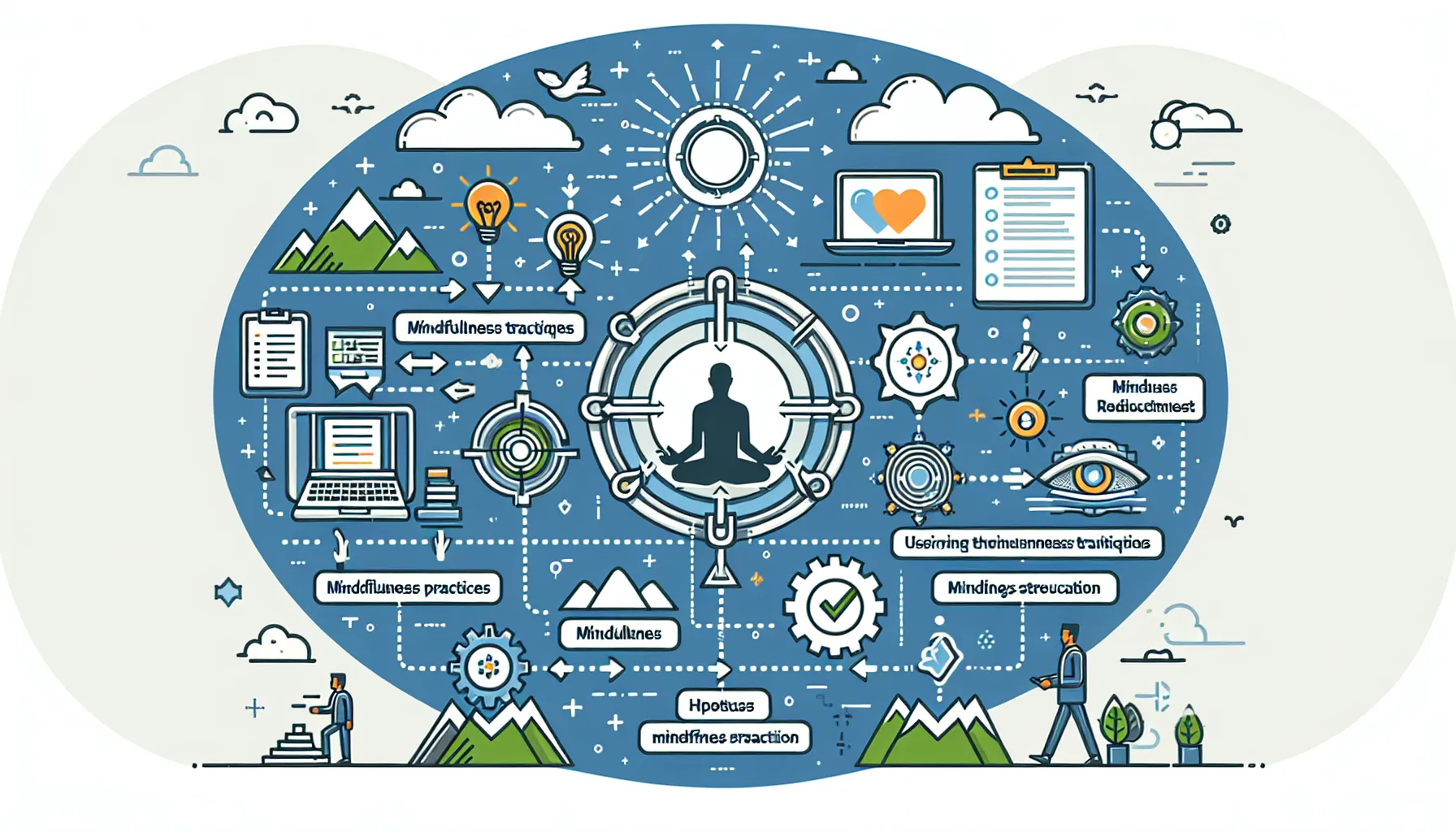
Benefits of Mindfulness for Stress Management
Mindfulness has gained significant traction as a practical approach to stress management in recent years. With its roots in ancient meditation practices, mindfulness is now recognized for its ability to help individuals navigate the complexities of modern life. This section explores two significant benefits of mindfulness for stress reduction: emotional regulation and enhanced focus and clarity.
Emotional Regulation
One of the most profound benefits of mindfulness for stress reduction is its ability to aid in emotional regulation. Emotional regulation refers to the processes by which individuals influence their emotions, how they experience them, and how they express them. By practicing mindfulness, individuals learn to observe their thoughts and feelings without judgment, enabling them to respond to stressors with greater awareness and composure.
Reduced anxiety: Research has shown that mindfulness practices can lead to a significant reduction in anxiety levels. A meta-analysis published in the journal Psychological Bulletin found that mindfulness meditation programs resulted in moderate to large reductions in anxiety, depression, and stress (S. Goyal et al., 2014). This indicates that individuals who engage in mindfulness exercises are better equipped to handle stress when it arises.
Improved emotional resilience: Individuals practicing mindfulness report feeling more resilient in the face of stress. For example, a study conducted by the University of Massachusetts found that participants who engaged in mindfulness training experienced less emotional reactivity to stressors compared to a control group. This training helps individuals recognize their emotional triggers and respond more effectively, leading to better overall mental health.
A notable case study involves employees at a large technology firm who participated in a mindfulness-based stress reduction program. Participants reported feeling more in control of their emotions and better able to cope with workplace stressors. This shift not only improved individual well-being but also positively impacted team dynamics and productivity.
Enhanced Focus and Clarity
Mindfulness is also associated with enhanced focus and clarity, which are critical components of effective stress management. By honing the ability to concentrate, individuals can approach tasks with greater efficiency and reduced stress.
Improved concentration: Studies indicate that mindfulness training can improve attention and cognitive flexibility. A study published in the journal Cognitive, Affective, & Behavioral Neuroscience demonstrated that participants who practiced mindfulness showed enhanced attention control and cognitive performance (Zeidan et al., 2010). Improved focus allows individuals to prioritize tasks and manage their time effectively, which can significantly reduce stress.
Clarity of thought: Regular mindfulness practice encourages a state of awareness that enables clearer thinking. A recent report from the Harvard Business Review highlights how mindfulness can help leaders make better decisions under pressure by fostering a calm and collected mindset (G. Gelles, 2019). This clarity can be especially beneficial in high-stress situations, where quick and effective decision-making is critical.
A compelling example of enhanced focus can be seen in a group of medical students who participated in a mindfulness program during their training. The students reported a greater ability to concentrate on their studies and manage the stress of their rigorous curriculum. As a result, they were able to retain more information and perform better in examinations.
Conclusion
In summary, the benefits of mindfulness for stress management are profound and multifaceted. By aiding emotional regulation and enhancing focus and clarity, mindfulness provides individuals with practical tools to navigate stress more effectively. The growing body of research supports the integration of mindfulness into various stress management strategies, making it an essential practice for anyone looking to improve their overall well-being.
As the demand for effective stress management techniques continues to rise, mindfulness remains a relevant and powerful approach. For more insights on the latest research in mindfulness and its applications in stress reduction, consider exploring resources from the Mayo Clinic, Harvard Health Publishing, and American Psychological Association.
Practical Mindfulness Stress Management Strategies
As the awareness of mindfulness for stress reduction continues to grow, many individuals are searching for practical ways to incorporate mindfulness techniques into their daily routines. Simple mindfulness practices can significantly enhance stress management strategies and provide immediate relief. In this section, we will explore two effective mindfulness exercises: breathing exercises and the body scan technique.
Breathing Exercises
Breathing exercises are a cornerstone of mindfulness practices aimed at reducing stress. These exercises focus on the breath, serving as a powerful tool to anchor the mind and promote relaxation. By shifting attention to the breath, individuals can cultivate a sense of calm and clarity.
- Technique Overview: To perform a basic breathing exercise, follow these steps:
- Find a quiet space and sit comfortably.
- Close your eyes and take a deep breath in through your nose, allowing your abdomen to expand.
- Exhale slowly through your mouth, letting go of any tension.
- Repeat this process for several minutes, focusing solely on the rhythm of your breath.
Research has shown that even short sessions of mindful breathing can lead to significant reductions in stress levels. A study published in the Journal of Psychosomatic Research indicates that participants who engaged in just five minutes of breathing exercises reported a 30% decrease in perceived stress within minutes (ScienceDirect).
Body Scan Technique
The body scan technique is another effective mindfulness practice that encourages awareness of bodily sensations and promotes relaxation. This practice can be particularly helpful for individuals experiencing stress-related physical symptoms.
- Technique Overview: Here鈥檚 a simple guide to performing a body scan:
- Lie down comfortably on your back, ensuring your body is supported.
- Close your eyes and take a few deep breaths to center yourself.
- Begin by focusing on your toes, noticing any sensations or tension.
- Gradually move your attention up through your body鈥攆eet, legs, abdomen, chest, arms, neck, and head鈥攚hile observing how each part feels.
- If you encounter areas of tension, imagine breathing into those spaces, allowing them to soften with each exhale.
Participants in mindfulness programs that included body scan exercises have reported relief from stress and anxiety. A recent study by Harvard University found that individuals practicing body scan techniques experienced notable decreases in stress and anxiety levels after just a few sessions (Harvard.edu).
The Effectiveness of Short Mindfulness Sessions
One of the most appealing aspects of mindfulness practices is their flexibility. Individuals can easily incorporate mindfulness for stress reduction into their daily routines, often in just a few minutes. Research indicates that short mindfulness sessions can be highly effective in combating stress:
Immediate Benefits:
Participants in mindfulness studies have reported feeling calmer and more focused within minutes of practicing breathing exercises or body scans.
A survey conducted by the American Psychological Association found that 87% of respondents who practiced mindfulness techniques experienced a reduction in their stress levels within the first week.
Long-term Effects:
Regular practice of mindfulness techniques can lead to lasting changes in how individuals respond to stress. A meta-analysis published in the journal Psychological Bulletin found that mindfulness practices significantly reduce stress, anxiety, and depression, with effects persisting over time (APA).
Conclusion
Incorporating mindfulness techniques into daily routines can be a transformative way to manage stress. Breathing exercises and the body scan technique are practical strategies that individuals can easily adopt. The evidence supporting the benefits of mindfulness for stress reduction is compelling, highlighting the importance of integrating these practices into everyday life. As more people discover the positive impact of mindfulness, it is clear that these simple techniques can serve as powerful tools in the pursuit of better mental well-being.
For further insights into mindfulness and its effects on stress, consider exploring resources from the Mayo Clinic and Healthline that delve deeper into mindfulness practices and their benefits.

Future Projections and Emerging Developments
As the understanding of mindfulness for stress reduction continues to evolve, the integration of technology and advancements in research are set to play pivotal roles in shaping the future of mindfulness practices. This section explores anticipated growth in personalized mindfulness programs through AI and machine learning, as well as emerging research focused on the long-term effects of mindfulness on mental health.
Integration with Technology
The intersection of mindfulness and technology is generating exciting possibilities for stress management strategies. Here are some notable trends and innovations:
Personalized Mindfulness Programs: The development of artificial intelligence (AI) and machine learning is paving the way for customized mindfulness experiences. These programs can adapt to individual preferences, stress levels, and specific mental health needs. For example, platforms like Headspace and Calm are already utilizing user data to refine their offerings, providing tailored meditation sessions that align with users’ emotional states.
Virtual Reality Mindfulness Experiences: Cutting-edge technologies, such as virtual reality (VR), are being tested to enhance mindfulness practices. A recent study highlighted the use of VR environments to immerse participants in calming settings, which significantly improved their stress relief outcomes. For instance, applications like Oculus Venues allow users to engage in guided meditations while surrounded by serene landscapes, transforming the mindfulness experience into an interactive journey.
Wearable Technology: Devices like smartwatches and fitness trackers are increasingly incorporating mindfulness features. For example, the Fitbit Sense provides guided breathing exercises and tracks stress levels based on heart rate variability. This integration helps users monitor their physiological responses to stress and encourages regular mindfulness practices.
Research Innovations
Emerging research is expanding the understanding of how mindfulness reduces stress and its long-term benefits on mental health. Here are some key findings:
Long-Term Mental Health Effects: Recent studies are investigating the lasting impact of mindfulness practices on anxiety, depression, and overall mental well-being. A comprehensive meta-analysis published in the journal Psychological Bulletin found that mindfulness-based interventions significantly reduce symptoms of anxiety and depression over extended periods, indicating that the benefits are not merely short-lived but can lead to sustained improvements in mental health.
Impact on Neuroplasticity: New research has revealed that mindfulness practices can lead to structural changes in the brain. Neuroimaging studies have demonstrated that regular mindfulness meditation increases gray matter density in areas associated with emotional regulation and stress response. This suggests that how mindfulness reduces stress is deeply rooted in biological changes that enhance resilience against stressors.
Workplace Applications: Organizations are increasingly recognizing the benefits of mindfulness for stress reduction among employees. A recent report by Deloitte highlighted that companies implementing mindfulness programs experienced a 32% reduction in employee stress levels and a 24% increase in productivity. Programs that incorporate mindfulness training are being adopted not only for employee wellness but also as effective stress management strategies that contribute to a healthier workplace culture.
Conclusion
The future of mindfulness for stress reduction is promising, with technology and innovative research driving significant advancements. Personalized mindfulness programs powered by AI, engaging virtual reality experiences, and compelling evidence of the long-term benefits of mindfulness practices are reshaping how individuals and organizations approach stress management. As these developments unfold, we can expect a broader adoption of mindfulness practices, ultimately contributing to improved mental health and well-being in diverse populations.
For further insights into the role of technology in mindfulness, visit TechCrunch and for an overview of recent workplace wellness trends, check out Deloitte. Additionally, explore the latest findings on mindfulness and neuroplasticity at Psychological Bulletin.

Key Takeaways
In conclusion, mindfulness has emerged as a powerful tool for stress reduction, offering a plethora of proven benefits that can transform how individuals navigate the complexities of modern life. As we currently face relentless demands and pressures, integrating mindfulness practices into our daily routines can lead to significant improvements in overall well-being. These practices not only enhance our ability to cope with stress but also foster emotional resilience and promote a greater sense of peace.
At present, individuals can take actionable steps to incorporate mindfulness into their lives. Simple techniques such as mindful breathing, meditation, and even mindful walking can be seamlessly integrated into daily activities. Resources such as Mindful.org offer a wealth of information, including guided meditations and practical tips for beginners. Moreover, engaging in group mindfulness sessions or workshops can further enhance the experience by fostering a supportive community. These small, manageable changes can lead to profound shifts in how we respond to stressors, ultimately enhancing our quality of life.
Looking ahead, the future of mindfulness is promising, particularly with the increasing integration of technology into wellness practices. Innovations such as mindfulness apps and virtual reality meditation experiences are making these practices more accessible than ever. According to Psychology Today, ongoing research continues to reveal the expansive benefits of mindfulness, including its potential to improve mental health outcomes and increase emotional intelligence. As scientific validation grows, we can expect a wider acceptance of mindfulness in various sectors, including education, corporate environments, and healthcare.
As we embrace these emerging trends, it is crucial for individuals, organizations, and communities to prioritize mindfulness practices. By committing to a mindful lifestyle, we not only improve our own well-being but also contribute to a more compassionate and resilient society. Now is the time to take action鈥攚hether through personal practice, advocating for mindfulness in your workplace, or supporting initiatives that promote mental wellness. Together, we can harness the transformative power of mindfulness to reduce stress and enhance our collective well-being.
Frequently Asked Questions
What is mindfulness and how does it help reduce stress?
Mindfulness is the practice of being fully present and engaged in the moment, without judgment. It helps reduce stress by promoting relaxation and enhancing self-awareness. By focusing on the here and now, individuals can better manage their reactions to stressors. This practice activates the body鈥檚 relaxation response, which can lower heart rates and reduce anxiety levels. As a result, mindfulness fosters emotional resilience, making it easier to cope with daily challenges and stress.
Are there specific mindfulness techniques recommended for beginners?
Yes, several mindfulness techniques are particularly beneficial for beginners. Simple practices include mindful breathing, where you focus on your breath for a few minutes, and body scan meditation, which involves paying attention to different parts of your body. Additionally, mindful walking and guided meditation apps can also help introduce you to mindfulness. Starting with just a few minutes daily can help you develop a consistent practice that gradually enhances your ability to manage stress.
How can I incorporate mindfulness into my daily routine?
Incorporating mindfulness into your daily routine can be simple and effective. Start by setting aside a few minutes each day for meditation or deep breathing exercises. You can also practice mindfulness during everyday activities, such as eating mindfully or being present during conversations. Consider using reminders, like sticky notes, to prompt you to pause and breathe throughout the day. Ultimately, consistency is key; even short, regular practices can accumulate significant benefits in stress reduction.
Can mindfulness really help with anxiety management?
Yes, mindfulness is known to be an effective tool for anxiety management. By fostering a present-moment awareness, mindfulness helps individuals distance themselves from negative thought patterns that often fuel anxiety. Regular practice can enhance emotional regulation, allowing you to respond to stressors with greater clarity and calmness. Studies have shown that mindfulness practices can significantly reduce anxiety symptoms, making it a valuable strategy for those seeking relief from overwhelming feelings.
How long does it take to see the benefits of mindfulness?
The time it takes to see the benefits of mindfulness varies by individual. Many people report feeling calmer and more centered after just a few sessions of mindfulness practice. However, for more substantial changes in stress levels and emotional well-being, consistent practice over weeks or months is usually necessary. Setting aside just 10 minutes a day can lead to noticeable improvements in stress management and overall mental health within a few weeks.
Are there any scientific studies supporting mindfulness for stress reduction?
Yes, numerous scientific studies support the effectiveness of mindfulness in stress reduction. Research indicates that mindfulness-based interventions can significantly lower levels of cortisol, the stress hormone. Studies have shown that participants who engage in mindfulness practices report reduced stress, anxiety, and depression. Furthermore, mindfulness has been linked to improved emotional regulation, cognitive flexibility, and overall well-being, making it a highly regarded approach in mental health research.
Can mindfulness be practiced in group settings?
Absolutely! Mindfulness can be effectively practiced in group settings. Group mindfulness sessions, such as classes or workshops, provide participants with guided practices and a supportive community. Sharing experiences with others can enhance motivation and deepen your understanding of mindfulness techniques. Group settings also offer opportunities for feedback and discussion, fostering a sense of connection that can further enhance the stress-reducing benefits of mindfulness.
Is mindfulness suitable for everyone?
Mindfulness is generally suitable for a wide range of individuals, regardless of age or background. However, those with certain mental health conditions, such as severe trauma or psychosis, may need to approach mindfulness with caution and under professional guidance. It’s essential to listen to your body and mind during practice. If you find that mindfulness exacerbates anxiety or discomfort, consider seeking support from a mental health professional or exploring alternative stress reduction techniques.