
The Role of Journaling in Enhancing Mental Health: A Comprehensive Guide
How journaling genuinely helps mental health: the research behind expressive writing, plus practical formats (gratitude, bullet, morning pages) for different goals.


23 min read
What You Need to Know
Journaling is the rare self-help practice with a surprisingly strong research base. James Pennebaker’s expressive-writing studies have shown, across decades, that even short sessions of honest writing about difficult experiences can measurably reduce stress and improve mood. The mechanism is not magic 閳?putting a feeling into language seems to help the brain process it, which is why therapy works partly the same way.
This guide covers what the evidence actually supports, and translates it into a practice you can use. We will walk through expressive writing for processing hard events, gratitude journaling for mood, bullet journaling for structure and anxiety reduction, and simple morning pages for clearing mental clutter 閳?with honest notes on which format fits which goal, and how long you need to stick with it before a real effect shows up.
Join us as we explore the transformative power of journaling and discover how this simple yet profound practice can enhance mental health and well-being.
Understanding Journaling for Mental Health
Defining Journaling
Journaling is a therapeutic practice that involves the regular act of writing down thoughts, feelings, and experiences. It serves as a powerful tool for self-reflection, emotional expression, and personal growth. By documenting daily events or emotions, individuals can gain insights into their mental state and develop coping strategies for stress, anxiety, and depression.
According to a study published in the Journal of Clinical Psychology, expressive writing, a form of journaling, has been shown to significantly improve mental health outcomes. Participants who engaged in expressive writing reported reduced levels of anxiety and depression, demonstrating the profound impact that writing can have on emotional wellness. This aligns with the growing interest in journaling for mental health, as more individuals seek simple yet effective methods to manage their emotional well-being.
Types of Journaling
Journaling encompasses various methods, each tailored to different needs and preferences. Here are some popular types:
Expressive Writing: Focuses on articulating thoughts and feelings related to traumatic experiences. Research indicates that expressive writing can facilitate trauma recovery, allowing individuals to process their experiences more effectively. For instance, a study by the University of Texas found that individuals who engaged in expressive writing showed improvements in emotional regulation and psychological well-being.
Gratitude Journaling: Involves writing down things for which one is grateful. This practice has been linked to increased levels of happiness and life satisfaction. A recent survey from the Greater Good Science Center found that individuals who maintained a gratitude journal reported a 25% increase in overall happiness and a reduction in feelings of depression.
Bullet Journaling: Combines elements of planning and reflection. It is a customizable method that allows individuals to track their goals, habits, and emotions. This method has gained popularity among those looking to enhance productivity while maintaining a focus on mental health.
Art Journaling: Incorporates visual elements such as drawing and painting along with writing. This form of journaling can be particularly beneficial for those who find it challenging to express their emotions through words alone. Studies suggest that art therapy can lead to significant improvements in mental health, providing an alternative outlet for emotional expression.
Dream Journaling: Involves recording dreams upon waking. This practice can help individuals explore their subconscious thoughts and feelings, often leading to deeper self-awareness and understanding of emotional challenges.
Benefits of Journaling for Mental Health
The benefits of journaling for mental health are extensive and well-documented. Here are some key advantages:
- Emotional Clarity: Journaling helps individuals clarify their thoughts and feelings, leading to better emotional regulation.
- Stress Reduction: Writing about stressors can help diminish their intensity, making them more manageable.
- Problem Solving: By articulating challenges in writing, individuals often discover new perspectives and solutions.
- Self-Reflection: Regular journaling promotes self-reflection, allowing individuals to track their personal growth over time.
- Enhanced Creativity: Engaging in creative writing or art journaling can stimulate creative expression, which is beneficial for mental well-being.
Examples of Journaling in Practice
One effective example of how journaling can aid in mental health is the use of expressive writing for trauma recovery. In a study conducted by James W. Pennebaker, participants who wrote about their traumatic experiences showed significant improvements in both physical and psychological health. After just a few sessions of expressive writing, participants reported fewer visits to healthcare providers and better emotional functioning.
Furthermore, a 2021 meta-analysis of various studies on journaling found that individuals who engaged in gratitude journaling experienced a notable decrease in symptoms of anxiety and depression. The analysis highlighted that gratitude-focused writing not only improved emotional well-being but also fostered positive interpersonal relationships.
Conclusion
Journaling is a versatile and impactful practice that can enhance mental health through various methods tailored to individual needs. Whether through expressive writing, gratitude journaling, or other forms, the benefits of journaling for mental health are well-supported by research. As more individuals explore these practices, the potential for writing as a means of emotional wellness continues to be recognized in therapeutic settings and personal development frameworks.
For further insights, you can explore resources from the Greater Good Science Center and Harvard Medical School. Additionally, the American Psychological Association provides valuable information on the mental health benefits of journaling and expressive writing.
Benefits of Journaling
Journaling for mental health offers a range of benefits that can significantly enhance emotional wellness. This practice serves as a valuable tool for emotional regulation and stress reduction, allowing individuals to navigate their feelings and experiences more effectively. In this section, we will explore how journaling can improve mood and emotional clarity, as well as reduce anxiety and stress levels.
Emotional Regulation
One of the most profound benefits of journaling is its ability to aid in emotional regulation. By regularly writing about thoughts and feelings, individuals can gain clarity and insight into their emotional experiences. This process helps to identify patterns in mood and behavior, enabling better management of emotions over time.
Recent studies highlight the therapeutic potential of journaling. For example, research conducted at the University of California found that expressive writing can lead to improvements in emotional regulation. Participants who engaged in journaling reported better mood and emotional clarity, suggesting that the act of writing itself can facilitate processing and understanding of complex emotions.
Improvement in Mood: A study published in the Journal of Clinical Psychology indicated that participants who engaged in expressive writing experienced significant improvements in mood. The findings showed that writing helped individuals articulate their feelings, which in turn led to a decrease in emotional distress.
Emotional Clarity: Journaling allows individuals to articulate their thoughts and feelings, which can lead to a clearer understanding of their emotional state. This clarity is crucial for developing coping strategies and enhancing overall emotional awareness.
Stress Reduction
Journaling is also an effective strategy for stress reduction. The practice provides a safe space for individuals to express their thoughts and feelings, which can help alleviate stress and anxiety. Writing about stressful events can serve as a form of catharsis, allowing individuals to release pent-up emotions and reduce their overall stress levels.
Research supports the link between journaling and stress reduction. A study from the University of Texas revealed that participants who engaged in expressive writing showed decreased cortisol levels, the hormone associated with stress. This finding underscores the physiological benefits of journaling, demonstrating that writing can not only impact mental health but also influence physical well-being.
Reduction in Anxiety: Journaling can significantly lower anxiety levels. A study conducted by the American Psychological Association found that individuals who wrote about their worries for just 20 minutes prior to a stressful event reported lower anxiety levels than those who did not write.
Connection to Overall Well-Being: Regular journaling has been associated with improved overall well-being. A survey by the International Journal of Wellbeing found that participants who journaled reported higher levels of life satisfaction and lower rates of depression.
Summary of Benefits
The benefits of journaling can be summarized as follows:
| Benefit | Description |
|---|---|
| Improvement in Mood | Regular writing can help articulate feelings, leading to a more positive emotional state. |
| Emotional Clarity | Writing promotes a deeper understanding of emotions, enhancing self-awareness. |
| Reduction in Anxiety | Expressive writing has been shown to lower anxiety levels prior to stress-inducing events. |
| Decreased Cortisol Levels | Studies indicate that journaling can lead to reduced levels of stress hormones in the body. |
| Enhanced Overall Well-Being | Regular journaling contributes to greater life satisfaction and mental health stability. |
In summary, the role of journaling in enhancing mental health is multifaceted, providing benefits that range from improved emotional regulation to significant stress reduction. For those seeking to enhance their mental well-being, incorporating journaling into daily routines can be a transformative step.
To further explore the scientific insights into the benefits of journaling, consider reviewing research from the American Psychological Association and findings from Harvard Health Publishing. These sources provide valuable context and support for the positive impacts of journaling on mental health.
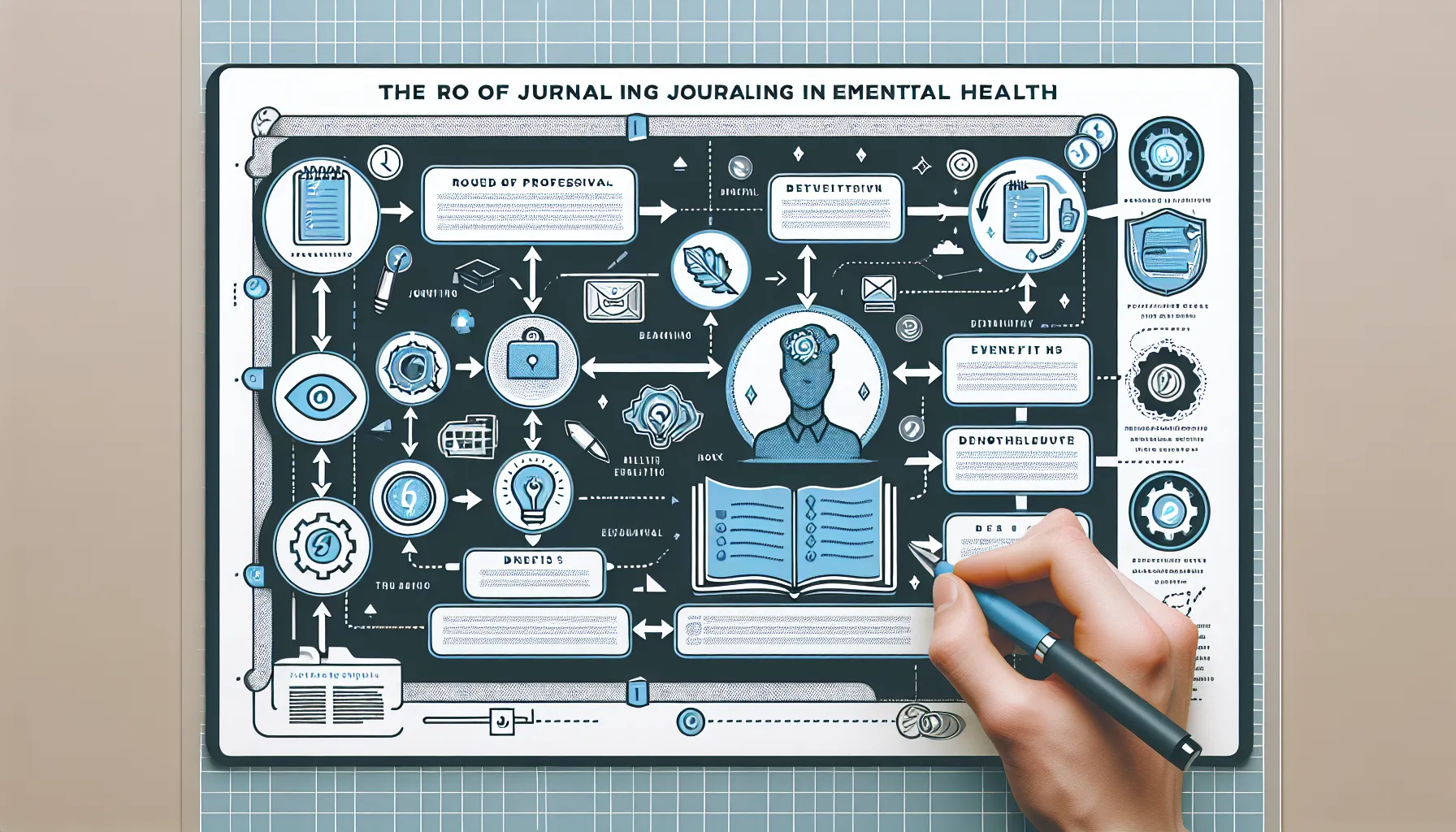
How Journaling Helps Mental Health
Journaling for mental health has gained significant attention in recent years as a practical tool for enhancing emotional well-being. This section explores the cognitive benefits of journaling and the profound impact it has on self-reflection and personal growth.
Cognitive Benefits
Engaging in regular journaling can enhance problem-solving skills and promote cognitive flexibility. A study published in the Journal of Experimental Psychology found that expressive writing can improve individuals’ ability to solve problems creatively. This is achieved as journaling allows individuals to organize their thoughts, articulate their feelings, and explore various perspectives on issues they are facing.
Enhances Problem-Solving Skills:
Writing about challenges helps clarify thoughts and identify potential solutions.
It encourages a structured approach to confront issues, reducing feelings of overwhelm.
Improves Cognitive Flexibility:
Journaling fosters the ability to see issues from multiple angles.
It can lead to innovative solutions by allowing the mind to wander freely and explore different possibilities.
Recent data indicates that individuals who engage in journaling are better equipped to navigate emotional challenges. According to a study by the University of California, Berkeley, participants who wrote about their thoughts and feelings reported feeling less anxious and more capable of managing stress (source: ScienceDirect). The cognitive engagement involved in journaling helps to solidify emotional experiences and leads to better emotional regulation.
Self-Reflection
Journaling serves as a powerful tool for self-reflection, fostering self-awareness and personal growth. Through regular writing, individuals can examine their emotions, track their progress, and develop a deeper understanding of themselves.
Promotes Self-Awareness:
Journaling encourages introspection, allowing individuals to identify patterns in their thoughts and behaviors.
It helps uncover core values and beliefs that influence decision-making.
Facilitates Personal Growth:
Writing about personal experiences can lead to insights that promote growth and change.
It provides a space for setting goals and reflecting on achievements.
A notable example of how journaling encourages self-discovery is through the use of specific journaling prompts. Here are some examples that can guide individuals in their self-reflective practices:
- What are three things I am grateful for today?
- This prompt encourages a focus on positive aspects of life, improving mood and perspective.
- What challenges did I face this week, and how did I respond?
- Reflecting on challenges can help individuals assess their coping mechanisms and consider alternative strategies for future situations.
- What is one goal I want to achieve this month, and what steps can I take to reach it?
- This prompt helps in setting actionable goals, fostering a sense of direction and purpose.
- How did I feel during a significant event this week, and what can I learn from it?
- Analyzing emotions tied to specific events facilitates deeper emotional understanding and growth.
- What are my core values, and how do they influence my daily decisions?
- This prompt encourages individuals to align their actions with their values, enhancing their sense of integrity and fulfillment.
Conclusion
The benefits of journaling for mental health are profound, impacting both cognitive function and emotional awareness. By enhancing problem-solving skills and promoting self-reflection, journaling serves as a valuable tool for those seeking emotional wellness. The act of writing not only facilitates a deeper understanding of oneself but also encourages personal growth and resilience.
As more individuals recognize the therapeutic potential of writing for emotional wellness, it is essential to integrate journaling into daily routines. Whether through structured prompts or free writing, the act of journaling can be a transformative practice in enhancing mental health.
For further reading on the psychological benefits of journaling, you can explore resources from the Harvard University Health Blog and American Psychological Association.
Current Trends in Journaling for Mental Health
As the awareness of mental health continues to grow, so does the practice of journaling for mental health. This trend has evolved significantly in recent years, particularly with the rise of digital tools and community-focused initiatives. Understanding these trends can provide insight into how journaling can enhance emotional wellness and overall mental health.
Digital Journaling
The advent of technology has transformed traditional journaling into a digital experience. Numerous apps and online platforms are now available, making journaling more accessible and engaging for users. Here are some notable trends in digital journaling:
Rise in Journaling Apps: With the ubiquity of smartphones, journaling apps have gained immense popularity. Current statistics indicate that over 60 million people in the United States engage in digital journaling, with numbers continuing to rise (source: Statista).
Features Matter: Many journaling apps offer various features that cater to different users’ $1. For example:
Day One: This app allows users to add photos, audio recordings, and location tagging, making journaling a multi-sensory experience.
Journey: It focuses on mindfulness and offers guided prompts, which help users reflect and write about their feelings and experiences.
Penzu: This platform emphasizes privacy and security, ensuring users feel safe sharing their most personal thoughts.
Integration with Mental Health: Many apps now include mental health features, such as mood tracking and daily affirmations, which help users assess their emotional wellness over time. This integration has shown to enhance the benefits of journaling for mental health.
Community Journaling
In addition to individual journaling practices, community journaling initiatives are gaining traction. These programs foster connection and support, allowing individuals to share their experiences and insights about mental health. Some key aspects of community journaling include:
Group Journaling Initiatives: Organizations are now facilitating group journaling sessions, where participants can gather to write and share their thoughts. This collective experience not only encourages accountability but also helps participants feel less isolated in their mental health journeys.
Workshops and Retreats: Many mental health professionals are now conducting journaling workshops that emphasize writing for emotional wellness. These workshops often combine mindfulness practices with journaling techniques, providing participants with tools to navigate their thoughts and feelings more effectively.
Online Communities: Social media platforms and dedicated forums allow individuals to share their journal entries (anonymously or otherwise) and receive feedback from peers. This practice creates a sense of community and belonging, which is crucial for mental health.
Case Studies and Examples
Recent case studies illustrate the success of these trends. For instance, a survey conducted by the American Psychological Association found that individuals who participated in group journaling reported a 30% increase in their overall emotional well-being. This study highlights the significant role that community engagement plays in enhancing the benefits of journaling for mental health.
Additionally, a recent article from Healthline discusses how digital journaling apps can complement therapy sessions. Many therapists now recommend these tools as a way for clients to track their emotions and thoughts between sessions, further demonstrating how journaling helps facilitate mental health improvement.
Conclusion
The current trends in journaling for mental health underscore the importance of both digital and community engagement in enhancing emotional wellness. By embracing technology and fostering connection through group initiatives, individuals can experience the profound benefits of journaling. As we continue to explore the multifaceted role of journaling in mental health, it becomes increasingly clear that these practices not only provide a space for reflection but also create a supportive environment for personal growth and healing.
As we move forward, it is essential for mental health professionals, individuals, and communities to continue advocating for and incorporating journaling practices as a fundamental aspect of emotional wellness.

Future Projections and Emerging Developments
As we look toward the future, the landscape of journaling for mental health is evolving significantly, influenced by technological advancements and therapeutic practices. The integration of digital tools and artificial intelligence (AI) is reshaping how individuals engage with journaling, while therapists are increasingly incorporating journaling into treatment plans. This section explores these emerging trends and their implications for writing for emotional wellness.
Integrating Technology
The rise of technology is making journaling more accessible and personalized, providing various tools that can enhance the benefits of journaling for mental health. Here are a few notable developments:
AI-Driven Journaling Prompts: Applications like Daylio and Reflectly utilize AI to generate personalized journaling prompts based on user input and mood tracking. These prompts encourage users to explore their thoughts and feelings more deeply, making journaling a more engaging experience.
Digital Journals with Feedback: Platforms such as Jour offer interactive features that allow users to receive feedback on their entries. By analyzing writing patterns and emotional tones, these tools provide insights that can help users understand their emotional states better and track their mental health progress over time.
Mobile Accessibility: With the proliferation of smartphones, journaling apps are now available at users’ fingertips, making it easier to maintain a regular journaling practice. According to a study by Statista, over 60% of American adults own a smartphone, which presents a significant opportunity to reach a broad audience with digital journaling solutions.
Data-Driven Insights: Some digital journals offer data analytics capabilities, allowing users to visualize their mental health trends. By tracking mood changes over time, individuals can identify patterns and triggers, leading to more informed discussions with therapists.
These technological advancements are not just enhancing the experience of journaling; they are also making the practice more appealing to younger generations who are accustomed to interacting with technology in their daily lives.
Therapeutic Journaling
As mental health professionals recognize the benefits of journaling, they are increasingly integrating it into treatment plans. Here are some ways this is manifesting in clinical settings:
Cognitive Behavioral Therapy (CBT): Therapists are using journaling as a tool within CBT frameworks to help clients articulate negative thoughts and reframe them positively. Research indicates that clients who engage in journaling as part of their therapy report improved emotional regulation and resilience (source: Harvard.edu).
Trauma-Informed Care: Journaling is being employed in trauma therapy to facilitate the processing of traumatic experiences. Writing about trauma can help clients confront their feelings in a safe environment, aiding in recovery and emotional wellness.
Group Therapy Settings: Journaling exercises are often included in group therapy sessions, encouraging sharing and discussion among participants. This communal aspect can foster a sense of belonging and support, which is crucial for emotional healing.
Personalized Journaling Techniques: Therapists are developing personalized journaling methods tailored to individual needs, which can include gratitude journaling, expressive writing, or goal-setting journals. This customization helps enhance the therapeutic experience and reinforces the benefits of journaling.
The integration of journaling into therapeutic practices is backed by data, with studies indicating that expressive writing can lead to a decrease in anxiety and depression symptoms. For instance, a meta-analysis published in the Journal of Affective Disorders found that expressive writing significantly reduces anxiety levels in individuals suffering from various mental health conditions.
Conclusion
The future of journaling for mental health is bright, with technological innovations and therapeutic integration paving the way for more effective emotional wellness practices. As digital tools continue to evolve, individuals will have unprecedented access to personalized journaling experiences that enhance their mental health journey.
The ongoing collaboration between mental health practitioners and technology developers will likely yield new methods and tools that further amplify the benefits of journaling. The focus on emotional wellness through writing will not only support individual mental health but also contribute to a broader cultural shift towards valuing mental well-being in society.
In summary, the combination of innovative technology and therapeutic journaling practices presents exciting opportunities for enhancing mental health. As more studies and data emerge, the potential for journaling to transform lives will only continue to grow.
For further exploration of these trends, consider checking out The Guardian’s technology section for updates on digital tools and mental health innovations. Additionally, the Harvard Health Blog provides insights on the therapeutic benefits of journaling and other mental health strategies.

Key Takeaways
In summary, journaling stands out as a powerful tool for enhancing mental health, offering individuals a simple yet effective method to process emotions, articulate thoughts, and cultivate self-awareness. The practice of journaling not only encourages reflection but also serves as an emotional outlet, which can significantly improve mental well-being. As we navigate the complexities of modern life, integrating journaling into daily routines can provide much-needed clarity and grounding.
At present, individuals can enhance their mental health by dedicating just a few minutes each day to journaling. Whether it’s a gratitude journal, a stream-of-consciousness reflection, or structured prompts, the key is to find a style that resonates personally. This daily commitment can lead to improved emotional regulation, reduced anxiety, and a greater sense of control over ones mental landscape. For those looking for inspiration or guidance, resources such as Psychology Today’s insights on journaling offer valuable suggestions and techniques.
Looking ahead, we can anticipate further innovations in journaling practices. With the rise of digital platforms, we are likely to see a merging of traditional journaling with technology, allowing for more interactive and engaging experiences. Apps that incorporate AI and machine learning could provide personalized prompts and insights, making journaling more accessible and tailored to individual needs. Moreover, the growing emphasis on mental health in educational and corporate settings may lead to the introduction of structured journaling programs aimed at fostering emotional resilience and well-being among diverse populations.
As mental health continues to gain prominence in public discourse, now is the perfect time to embrace journaling as a proactive measure for self-care. By making it a part of your routine, you can unlock its potential to transform your mental health journey. For further exploration of this topic, consider checking out Healthline’s overview of the benefits of journaling, which highlights various approaches and their psychological advantages.
In conclusion, journaling is not just a fleeting trend; it is a profound practice that can enhance mental health and emotional clarity. As we continue to navigate the complexities of life, let us commit to this valuable tool, ensuring that we prioritize our mental well-being today and into the future. Start your journaling journey now, and witness the positive impact it can have on your life.
Frequently Asked Questions
What types of journaling are most effective for mental health?
Various types of journaling can enhance mental health, including expressive writing, gratitude journaling, and bullet journaling. Expressive writing allows individuals to process emotions by writing about thoughts and feelings. Gratitude journaling focuses on recognizing positive experiences, which can improve overall mood. Bullet journaling combines organization with self-reflection, promoting mindfulness and productivity. Experimenting with different styles can help you find what resonates best for your mental well-being.
How often should I journal to see benefits?
To experience the mental health benefits of journaling, consistency is key. Aim to journal at least 2-3 times a week, allowing time for reflection and processing. Some individuals find daily journaling beneficial, while others may prefer to write once a week. The goal is to create a habit that feels manageable and meaningful. Regular practice can lead to improved emotional regulation, reduced anxiety, and greater self-awareness over time.
Can journaling replace professional mental health treatment?
While journaling can be a valuable tool for enhancing mental health, it should not replace professional treatment. Journaling can complement therapy by helping to process thoughts and emotions, but it is not a substitute for professional guidance, especially for severe mental health issues. If you are experiencing significant mental health challenges, it is essential to seek support from a qualified mental health professional who can provide tailored treatment.
What are the psychological benefits of journaling?
Journaling offers numerous psychological benefits, including improved emotional clarity, stress reduction, and enhanced self-awareness. Writing about feelings can serve as a therapeutic outlet, allowing individuals to process complex emotions. Regular journaling can also help reduce anxiety and depressive symptoms by providing a safe space for reflection. Additionally, it fosters a sense of accomplishment and can even enhance problem-solving skills by clarifying thoughts and feelings.
Is there a specific format I should follow when journaling?
There is no one-size-fits-all format for journaling, as it largely depends on personal preference and goals. Some people prefer free writing, while others might use prompts or guided exercises. You could structure your entries with dates and headings or simply write in a stream-of-consciousness style. The key is to find a format that feels comfortable and allows for genuine self-expression, making the process more effective for enhancing mental health.
Can journaling help with anxiety and stress management?
Yes, journaling can significantly aid in anxiety and stress management. By writing about your thoughts and feelings, you can gain perspective on stressors and identify patterns in your anxiety. This process can help clarify your emotions and promote relaxation. Additionally, journaling about positive experiences or gratitude can shift focus away from stressors, fostering a more positive mindset. Incorporating journaling into your routine can be a valuable coping mechanism for anxiety and stress.
What should I write about in my journal?
You can write about virtually anything in your journal, depending on your needs and goals. Common topics include daily experiences, emotions, challenges, and achievements. You might also explore prompts related to gratitude, aspirations, or personal reflections. The important aspect is to be honest and open in your writing, allowing yourself to express thoughts freely without judgment. This authenticity is crucial for maximizing the mental health benefits of journaling.
How can I stay motivated to journal regularly?
Staying motivated to journal regularly can be achieved by setting a specific time each day or week dedicated to writing. Creating a comfortable and inviting space for journaling can also enhance the experience. Consider using prompts or themes to guide your writing and keep it fresh. Additionally, reminding yourself of the benefits, such as improved mental clarity and emotional release, can help reinforce your commitment to this practice.